

Improving Pest Control: Rats in the Ricefields Phase One
Jan 29, 2019 Project Leader nanissaktiningrum Duration: Eight Months
This project is implemented by Yayasan Kopernik on behalf of our partner who provided grant funding for this project.
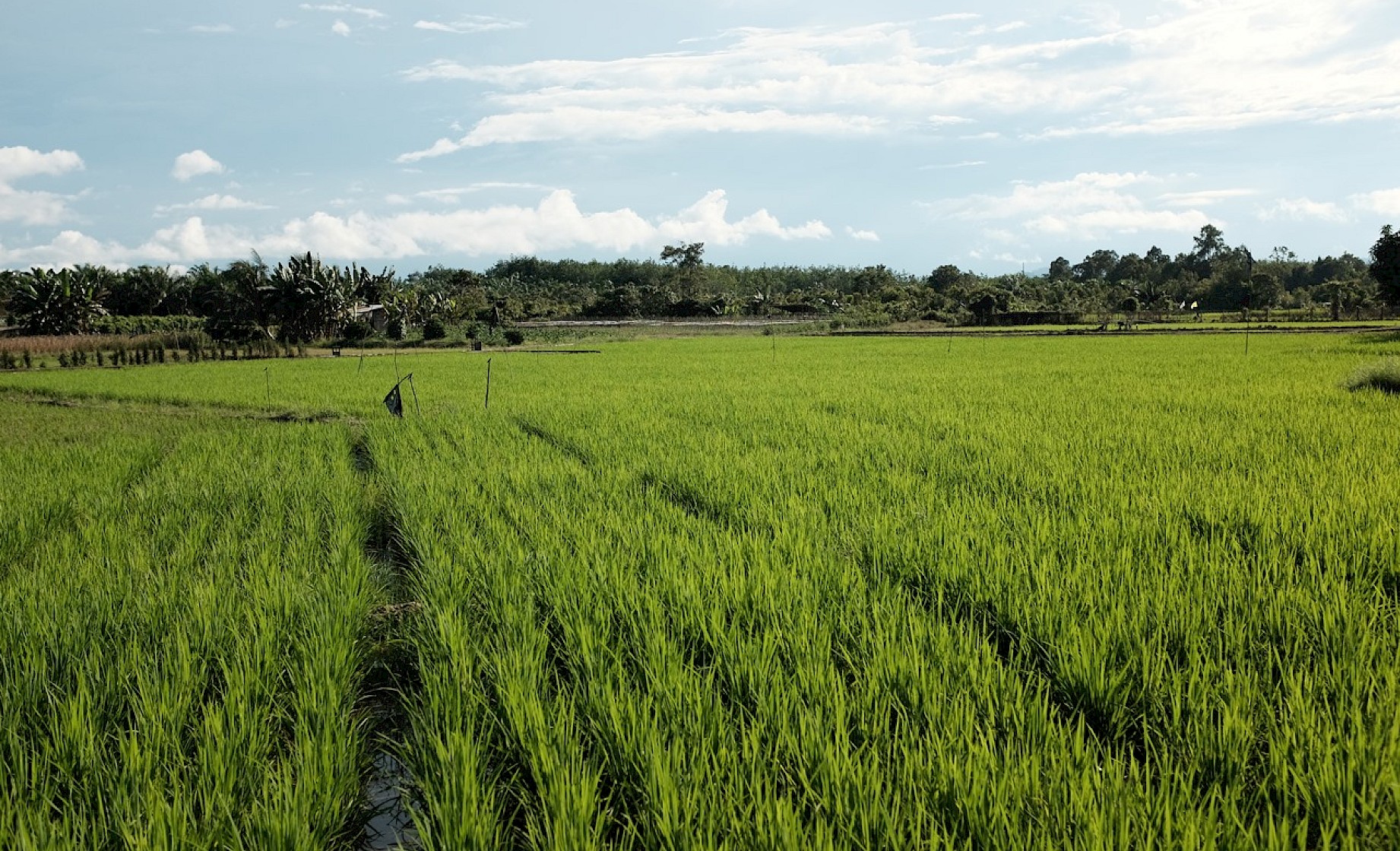
We are testing a natural rat repellent formula in ricefields to reduce crop losses due to rat infestation.
Project type
- Test Potential Solutions
- 2. Zero Hunger
Partners


The problem
Rats are identified as the most persistent pest for rice crops in Indonesia. Rats eat and damage rice during both the pre-harvest and post-harvest stages, causing crop losses and food shortages amongst farmers. In Indonesia, pre-harvest losses in rice production caused by rodents is estimated at 15-17 percent. Rat outbreaks can also result in total crop failure as reported in East Kalimantan. On average, rat infestations affect 100,000 hectares of rice fields, with a total estimated loss of up to US$470 million, each year.
Current rat control methods in Indonesia include the use of rat poison (colloquially rodenticide), fumigation or smoking, or community-organized rat hunts (gerobyokan tikus). The efficiency of these methods vary and are inconsistent due to a lack of knowledge in the rat’s habits, the specific environment they live in and the proper timing for these interventions.
Findings from Kopernik’s Unmet Needs research report in Sanggau, West Kalimantan found that:
- Farmers have tried fumigation or smoking (pengasapan) but they don’t like this method as they are exposed to toxic smoke during its application in the field. There was also a case where a fumigator exploded and injured a farmer.
- Farmers think gerobyokan tikus is not an effective method as they have to spend time and money.
- Farmers choose to use rat poison as their preferred method, but the results are sometimes unsatisfactory. They also mentioned that the rats develop a resistance to the products they currently use.
The solution
We will conduct an experiment comparing the following rat control methods:
- Control Treatment – the current rat control method practiced by Sanggau farmers, i.e. rat poison
- Natural Rat Repellent – a formula, made from natural and locally available ingredients, to repel rats.
Measurement Indicator:
We will measure the:
- Mean stem damage (ie. the mean percentage of rat damage to rice stems at three rice growing stages, listed below); and
- Crop yield (tonnes of rice grain weighed with the husk).
The three rice growing stages are: tillering (3-4 weeks after planting), flowering (8-9 weeks after planting) and maturing (13-14 weeks after planting).
Hypothesis:
We hypothesize that if we introduce our natural rat repellent as an alternative rat control method, we will increase rice crop yields.
Experiment Description:
The experiment will be conducted in the following manner:
- Preparation and baseline visit to Sanggau
- Setting up the experiment
- Final data collection
- Knowledge dissemination to stakeholders
The expected impact
We want to help 170,000 rice farmers in Sanggau to reduce their crop losses due to rat infestation, eventually leading to increased food security at a district level.
Improving rat control methods has the potential to reduce the US$470 million loss attributed to rat infestations in ricefields in Indonesia each year.
The project results
- The natural rat repellent showed promise in reducing rat infestation, with 35 stems found to have been damaged in the treatment group as compared to 67 stems that had been damaged in the control group;
- The lower stem damage in the treatment group did not result directly to the higher crop yield in the group. The crop yield in the treatment group was 28 percent lower (175 kg) than the control group (244 kg) because the plants experienced rice blast disease and were left untreated.
- Compared to the total expense of all chemical treatments (IDR628,000 or US$44.63), the natural repellent (IDR196,900 or US$13.99) is 69 percent cheaper. However, when compared to the cost of only the chemical rodenticide (IDR45,000 or US$3.20), the cost of natural repellent is 77 percent higher.
Show project location
Project cost
| Type | Description | Amount |
|---|---|---|
| Solution & Project Implementation | Costs associated with the purchase of the solutions tested and project coordination | $4,729 |
| Monitoring & Evaluation | Costs associated with data collection, analysis and reporting | $4,345 |
| Administration Fee | Cost of transferring payments internationally, processing online donations (5%) and a contribution to Kopernik's operational costs (15%) | $1,362 |
| Total | $10,436 |
01 / 01