Everything we're testing right now, at two scales - the larger initiatives we run, and the individual experiments inside them. Finished experiments and their results live in the Solutions Catalog.
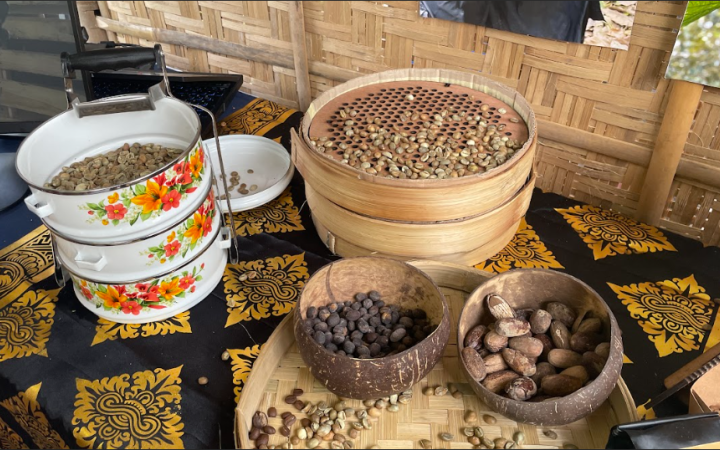
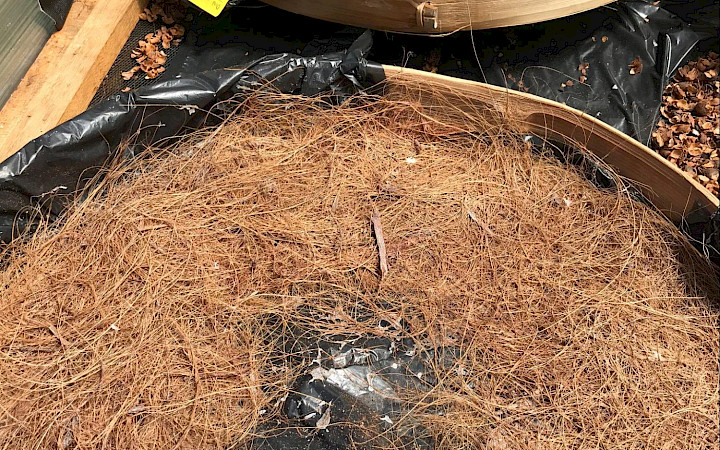
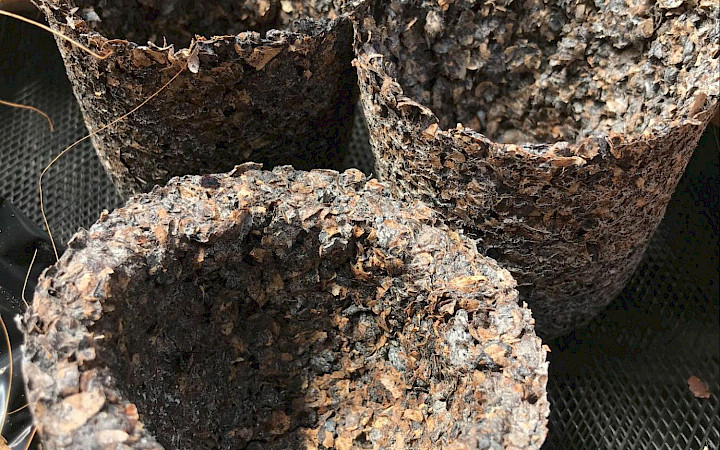
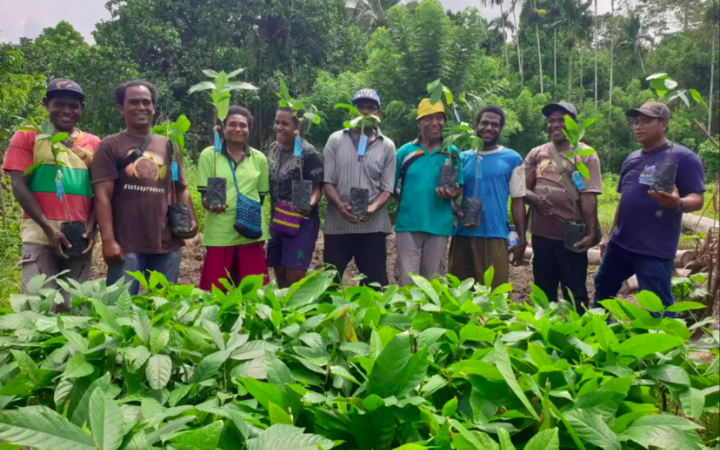
We support small-scale cacao farmers by introducing user-friendly technologies, improving cacao quality, diversifying products, and expanding market access to boost productivity, sales, and income.
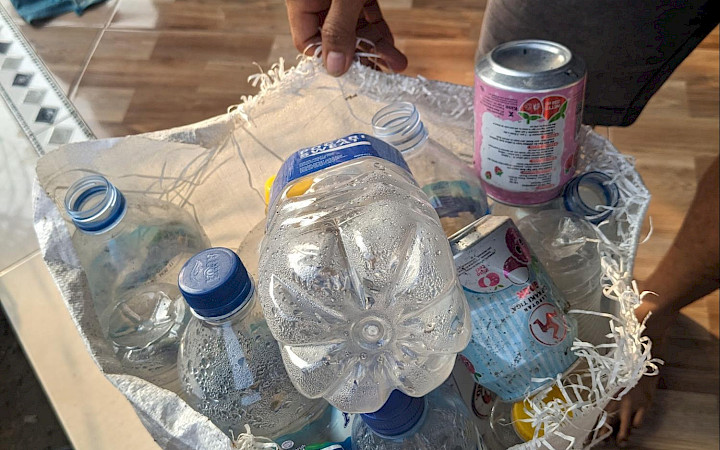
We are testing cost-effective solutions to improve waste-sorting practices by utilizing posters and a social norms approach, supported by the Griya Luhu app.
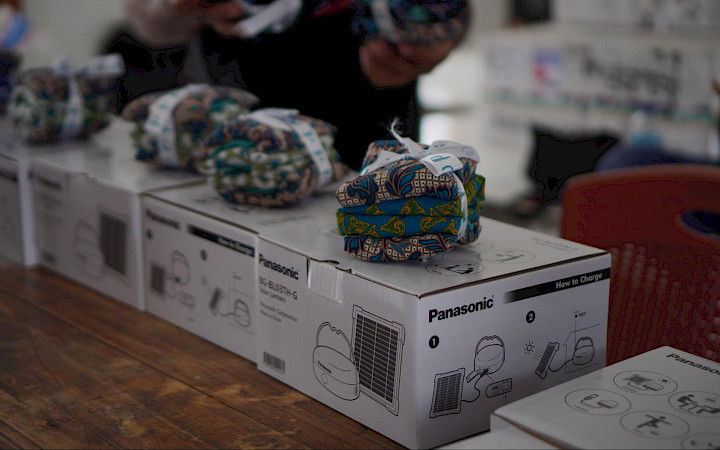
This project is initiated as a response to period poverty in East Nusa Tenggara (NTT) - a situation where women face lack of access to menstrual products, hygiene facilities, waste management, and education. The aim of the project is to alleviate period poverty through the provision of reusable menstrual pads and solar LED lanterns so that women and girls in NTT can better manage their menstrual period at night.
We are testing a small-scale coffee bean sorter to reduce time needed for sorting and improving size accuracy with smallholder coffee farmers in Tabanan, Bali.
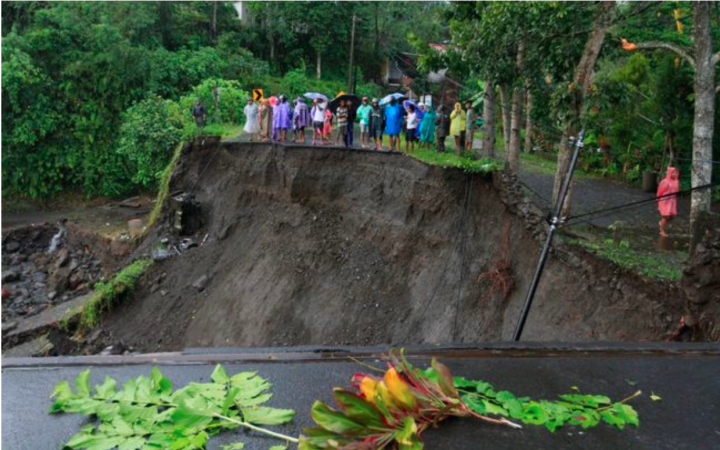
Kopernik is supporting families affected by extreme weather events resulting in landslides and displacement across Bali, through the distribution of emergency supplies and shelter kits.
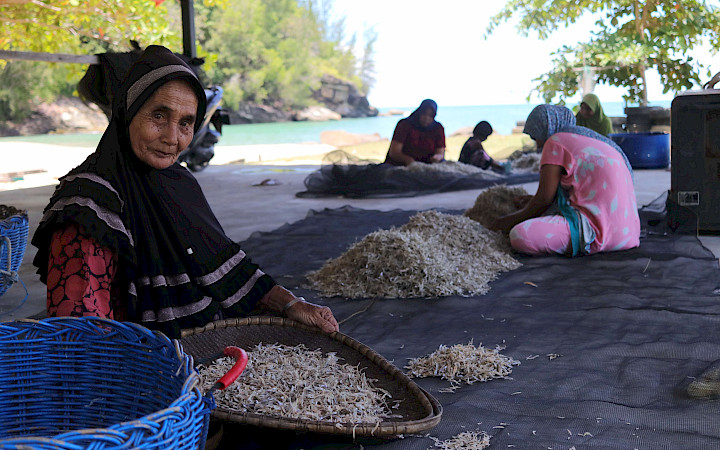
We are providing training for women’s groups in the fisheries sector to empower them in running a women-led small business producing and selling processed fish products.
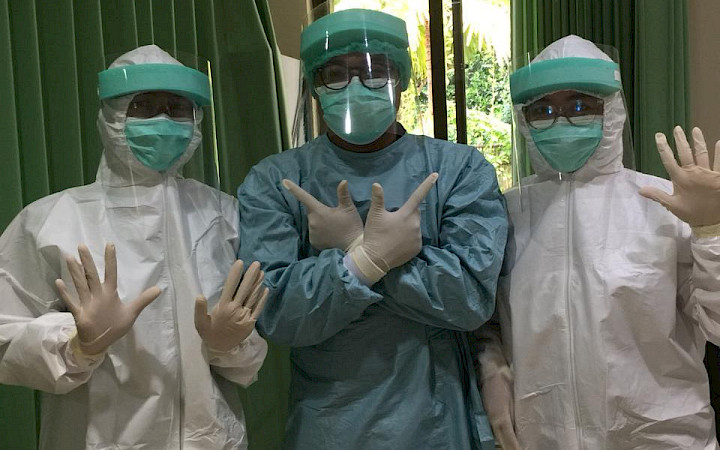
Indonesia declared a public health emergency on 31 March 2020 as the number of COVID-19 infections and deaths continue to rise across the country at a rapid pace. In order to slow-down the rate of infections and protect front-line medical workers as they provide critical services to those affected, Kopernik has partnered with SIAP SIAGA and the Australian Department of Foreign Affairs and Trade (DFAT) to support health workers and to prevent the spread of the COVID-19 pandemic in Bali and East Nusa Tenggara (NTT). The SIAP SIAGA Program is an Australia-Indonesia Partnership in Disaster Risk Management, which aims to strengthen Indonesia’s management of disaster risk and engagement between Australia and Indonesia through an adaptive approach that puts learning and knowledge management at the core of the program. The program focuses on understanding the cause and effect of changes within the system, developing actions to better harness and influence behaviors and patterns that could improve Indonesia’s ability to prevent, prepare for, respond to, and recover from disaster.This project has been funded by SIAP SIAGA and DFAT and is part of Kopernik’s broader COVID-19 Emergency Response initiative, which can be viewed here.
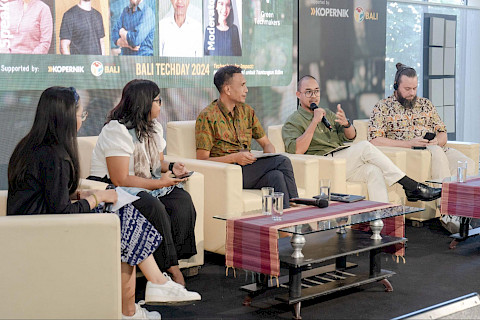
The Green Techmakers program was established in response to the growing demand for sustainable technology solutions and the urgent need to develop the skills and networks of startups within the green technology sector. The activities include prototyping sessions in a dedicated maker space, training sessions with digital fabrication experts, and networking sessions with the general public to disseminate project results.


 Current