Everything we're testing right now, at two scales - the larger initiatives we run, and the individual experiments inside them. Finished experiments and their results live in the Solutions Catalog.
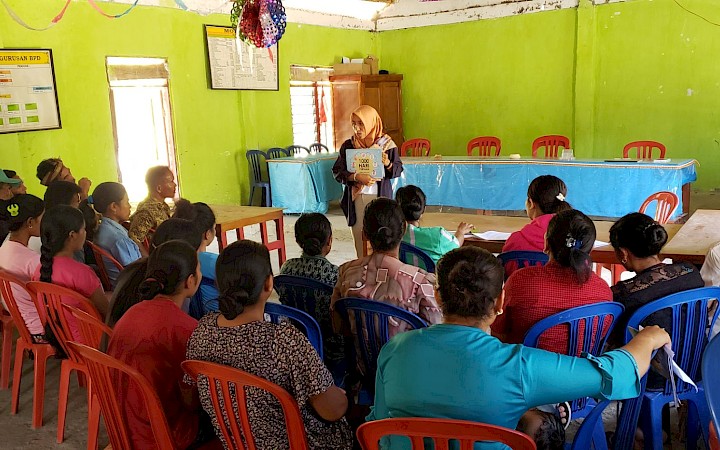
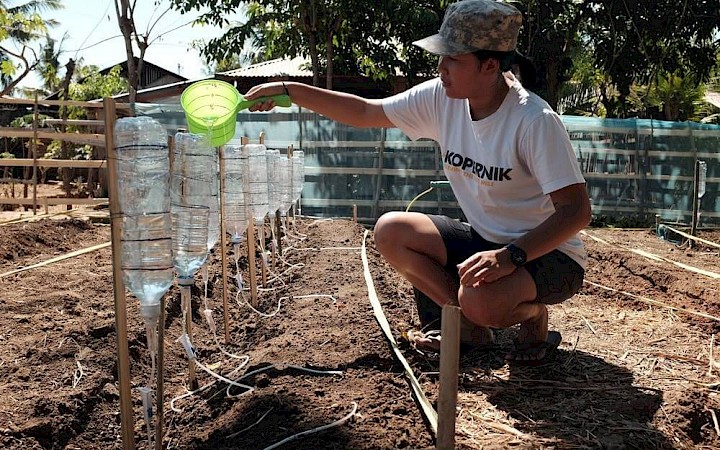
We will conduct nutrition-sensitive agriculture training and education to initiate home gardening in order to improve household nutrition intake and reduce stunting prevalence.
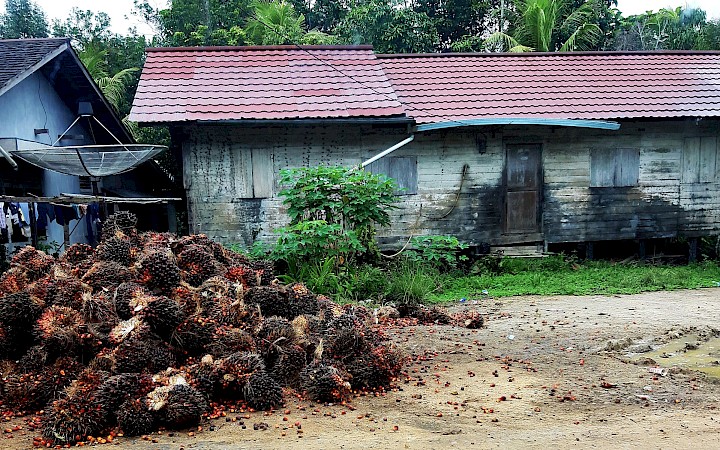
With funding from the Toyota Environmental Activities Grant of the Toyota Motor Corporation, we will provide training for farmers to produce organic fertilizer from palm waste to improve productivity, and reduce palm waste.
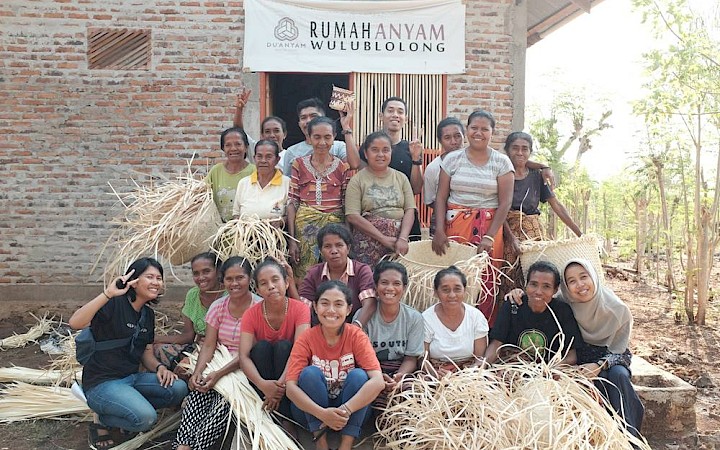
In Wulublolong Village, there is a challenge faced by basket weavers. It is the inefficient and time-consuming process of cutting palmyra leaves into strips. The traditional method is to use a simple knife but this means there is no consistency in the width of the strips, producing lower quality products and leading to wastage.
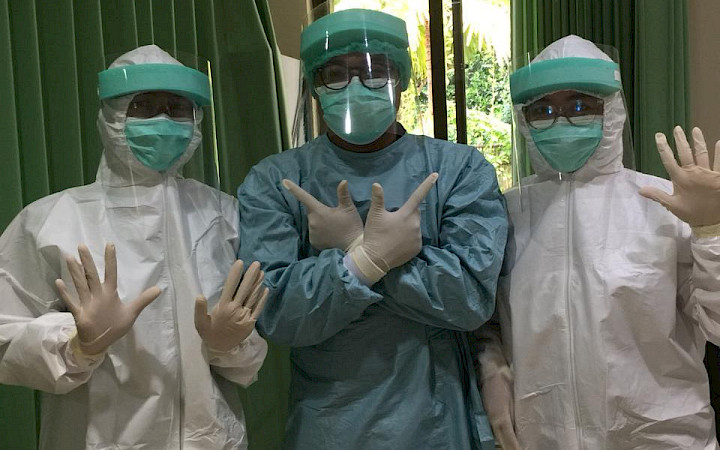
Indonesia declared a public health emergency on 31 March 2020 as the number of COVID-19 infections and deaths continue to rise across the country at a rapid pace. In order to slow-down the rate of infections and protect front-line medical workers as they provide critical services to those affected, Kopernik has partnered with SIAP SIAGA and the Australian Department of Foreign Affairs and Trade (DFAT) to support health workers and to prevent the spread of the COVID-19 pandemic in Bali and East Nusa Tenggara (NTT). The SIAP SIAGA Program is an Australia-Indonesia Partnership in Disaster Risk Management, which aims to strengthen Indonesia’s management of disaster risk and engagement between Australia and Indonesia through an adaptive approach that puts learning and knowledge management at the core of the program. The program focuses on understanding the cause and effect of changes within the system, developing actions to better harness and influence behaviors and patterns that could improve Indonesia’s ability to prevent, prepare for, respond to, and recover from disaster.This project has been funded by SIAP SIAGA and DFAT and is part of Kopernik’s broader COVID-19 Emergency Response initiative, which can be viewed here.
Indonesia declared a public health emergency on 31 March 2020 as the number of COVID-19 infections and deaths continue to rise across the country at a rapid pace. In order to slow-down the rate of infections and protect front-line medical workers as they provide critical services to those affected, Kopernik has joined forces with the #AmanDariCovid19 initiative and is responding in the areas of prevention, emergency response and livelihood support for those affected by job losses and access to income. This project is part of Kopernik’s broader COVID-19 Response initiative in Bali and East Nusa Tenggara that is supported by and has received funding from SIAP SIAGA and The Australian Department of Foreign Affairs and Trade. The full details can be viewed here.
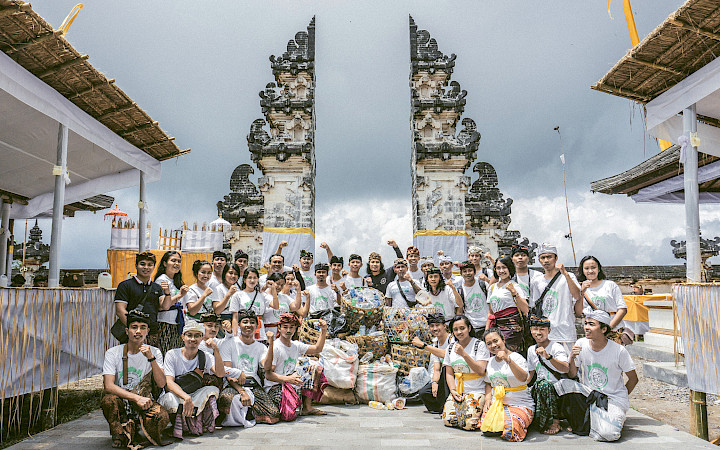
Pulau Plastik (Plastic Island) is a collaborative campaign to tackle the issue of single-use plastic in Bali and beyond. It leverages popular culture and includes social media campaigns, short videos, and a feature-length documentary to increase awareness about the hazards of single-use plastic, to change people’s behavior and to advocate for change.
We are distributing water filters, conducting behavior change activities, and delivering height charts developed by 1000 Days to encourage utilization of clean water in order to reduce the stunting prevalence in Daha Elu Village, Central Sumba, East Nusa Tenggara.
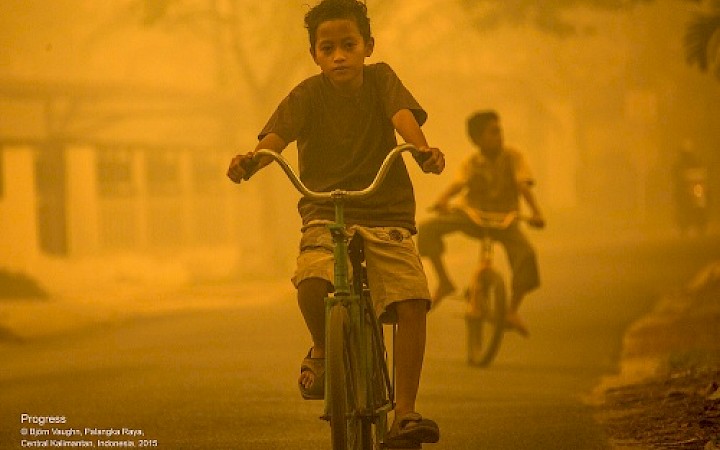
With support from Traveloka, Kopernik is distributing N95 masks and air purifiers for schools and households in West and Central Kalimantan impacted by toxic haze. We will also support community fire fighting efforts to prevent fires igniting and spreading further.
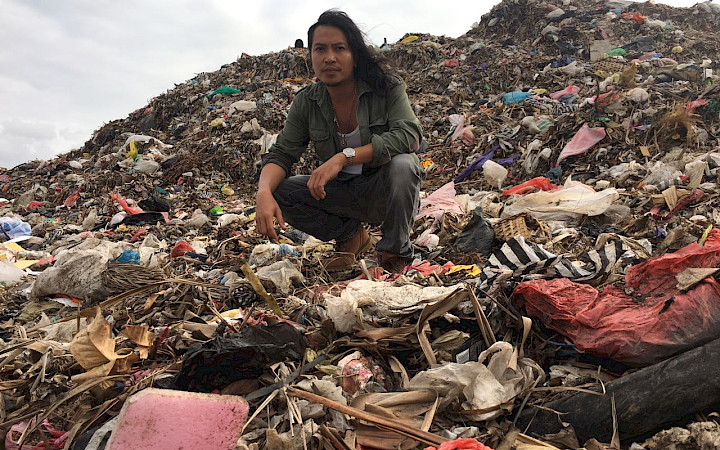
A video series that adopts a socio-cultural approach designed for local audiences and aimed at changing attitude and behavior towards plastic waste and promoting better waste disposal practices.
Kopernik works with MAMPU to strengthen the sustainability plans of their Partners, which consist of women empowerment organizations, in order for them to continue delivering services to beneficiaries.


 Past