

Alternative Packaging Solutions
Degradability of packaging alternatives
Summary
We tested the visual degradability of a range of single-use plastic packaging alternatives in a range of real-life environments over a six month period.
Why we rated it this way
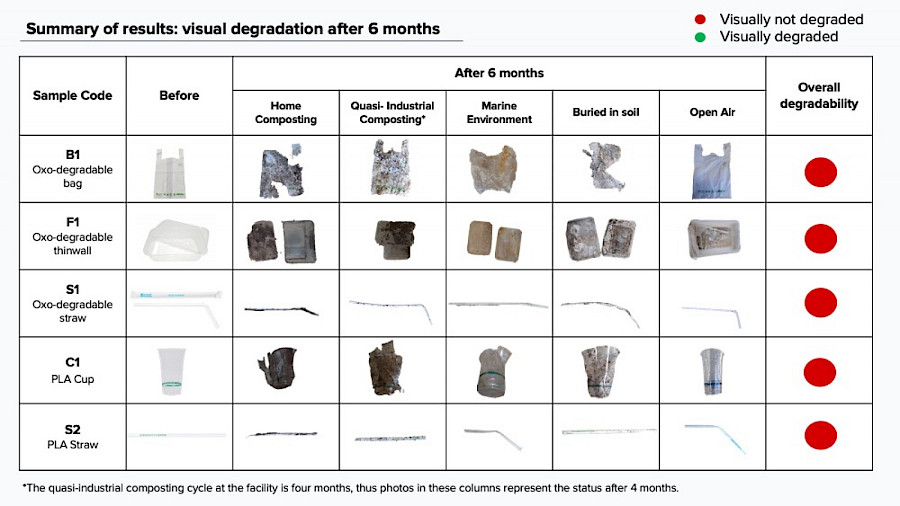
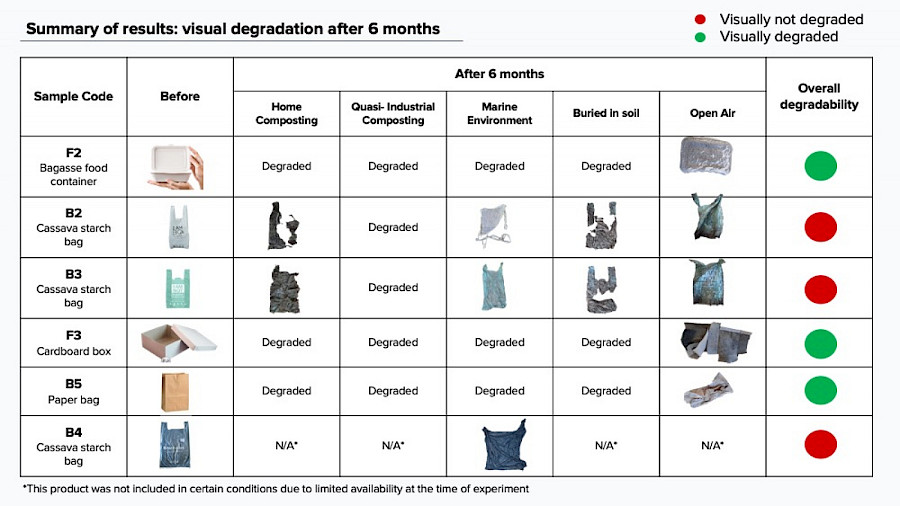
The experiment found that the packaging alternatives (labeled as compostable, bio-degradable, oxo-biodegradable) did not visually degrade in a significant way during the six-month experiment period in any of the environments they were tested in.
The problem
What we found
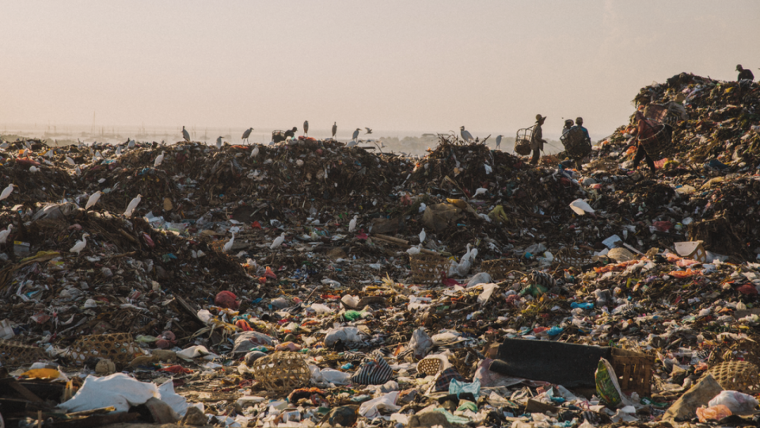
As awareness around the challenges associated with single-use plastics increases, there are more efforts to develop alternative packaging solutions that are more environmentally friendly. These alternative packaging solutions include packaging items that are marketed as biodegradable, compostable, and oxo-biodegradable (referred to in this experiment as ‘packaging alternatives’). Because many of the packaging alternatives look like conventional plastic they are likely to be disposed of in a similar way to conventional plastic. We therefore wanted to conduct an experiment to see whether the packaging alternatives, should they end up in a range of environments that are typically polluted by plastic, behave in a different way than conventional plastic, or whether they pose similar challenges to those caused by conventional plastic waste.
The solution
What we tested
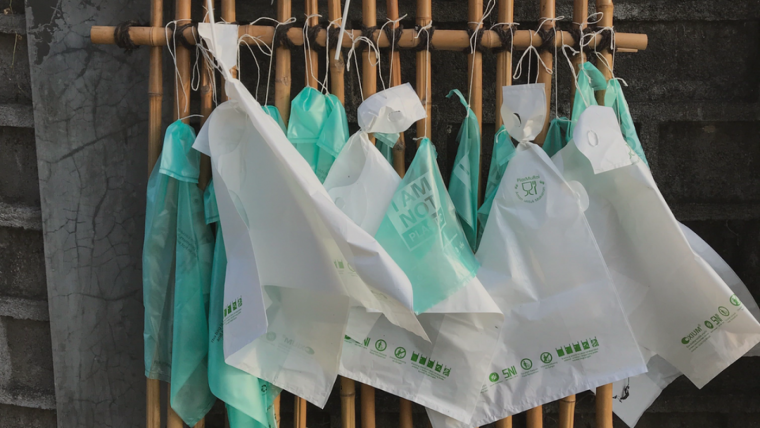
Some new packaging alternatives available on the market which are labeled as compostable or bio-degradable are said to degrade quickly (statements of degradability typically range from 3-6 months) and contributing to solving the problem of environmental pollution. Because many of the packaging alternatives look like conventional plastic they are likely to be disposed of in a similar way to conventional plastic. The experiment aims to observe how certain packaging alternatives actually degrade in various real-life environments over a six-month period.
Project design
How we ran it
This experiment aimed to observe how the packaging alternatives degraded in various real-life environments to determine whether they degraded quickly, and did not contribute to environmental pollution during the experiment period.
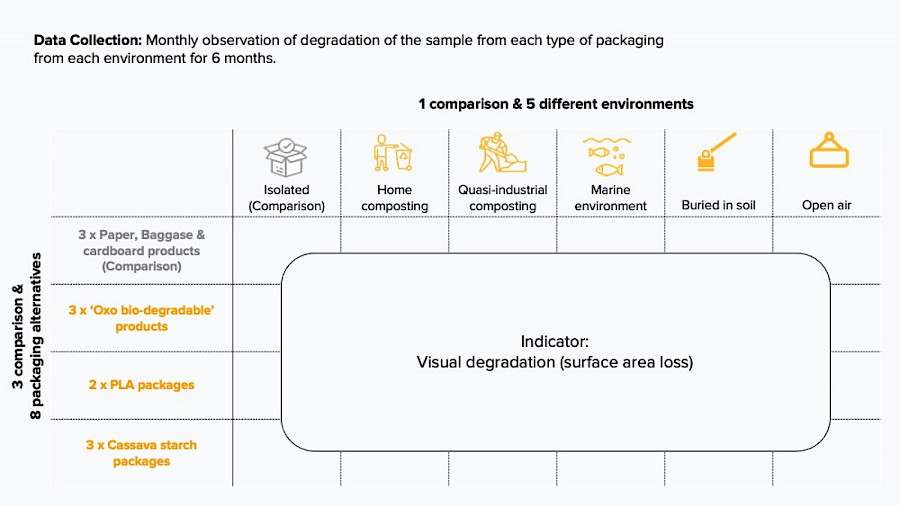
We tested the visual degradability of several packaging alternatives marketed as: Biodegradable, Compostable, Oxo-biodegradable. We also tested paper, cardboard and bagasse packaging.
The tests of the visual degradability each of the above alternatives were conducted in the following environments: Isolated (control), Home composting, Quasi-industrial composting, Marine environment, Buried in soil and Open air
The parameter we measured was: Surface area loss by visual observation
Duration: The experiment was conducted between June – September 2019 for the Industrial Composting facility, June – November 2019 for the Control, Home Composting, Buried in Soil and Open Air environments, and September 2019 – February 2020 for the marine environment.
Results
What we learned
The experiment found that the packaging alternatives (labeled as compostable, bio-degradable, oxo-biodegradable) did not visually degrade in a significant way during the six-month experiment period in any of the environments they were tested in. Because many of the packaging alternatives look like conventional plastic they are likely to be disposed of in a similar way to conventional plastic, we therefore conclude that the packaging alternatives are not likely to contribute to solving the problem of environmental pollution during a six month period. The cardboard, paper and bagasse packaging did visually degrade during the experiment period, in all but the open air environment.
Conclusion
The experiment found that the packaging alternatives (labeled as compostable, bio-degradable, oxo-biodegradable) did not visually degrade in a significant way during the six-month experiment period in any of the environments they were tested in. We recommend that further, more comprehensive tests are conducted in a lab environment in partnership with CSIRO, with the packaging alternatives used in this experiment.
Read more
Reports and references
Alternative Packaging Solutions: Experiment Results. Bali: Kopernik. 2020.