

Getting Micro-Businesses Online
Limited market access and revenue for micro-businesses
Summary
We provided training to women to sell their products online directly to consumers - through an e-commerce platform - thereby enabling women-led microbusinesses and homeworker groups to gain additional profit.
Why we rated it this way
Enabling access to e-commerce helped homeworkers and women-led microbusinesses increase their profit by 74%.
The problem
What we found
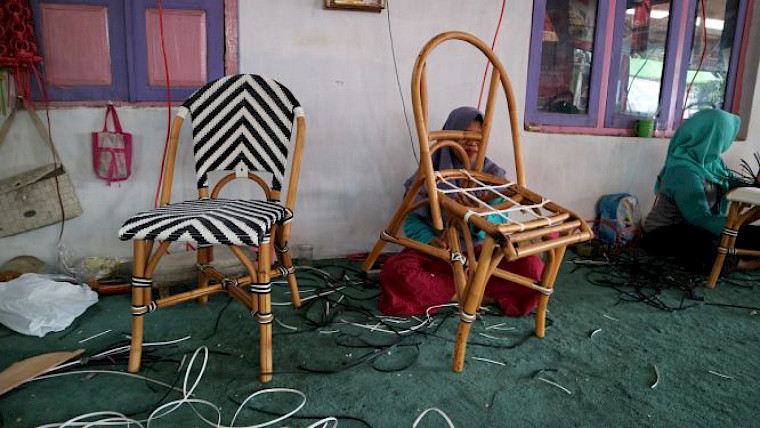
In Indonesia, there are 57 million micro, small, and medium enterprises (MSMEs) with more than 60% of them being led by women. These women-led micro-enterprises often start as a way to complement low incomes as home workers - these are typically laborers that perform similar tasks to factory workers, but from their own homes.
The majority don’t have direct access to a wide consumer base and produce based on the orders placed by intermediaries, resulting in limited income and profit. They are typically considered to be informal workers, who do not receive the same benefits that apply to formal employees such as minimum wage or health insurance.
The solution
What we tested
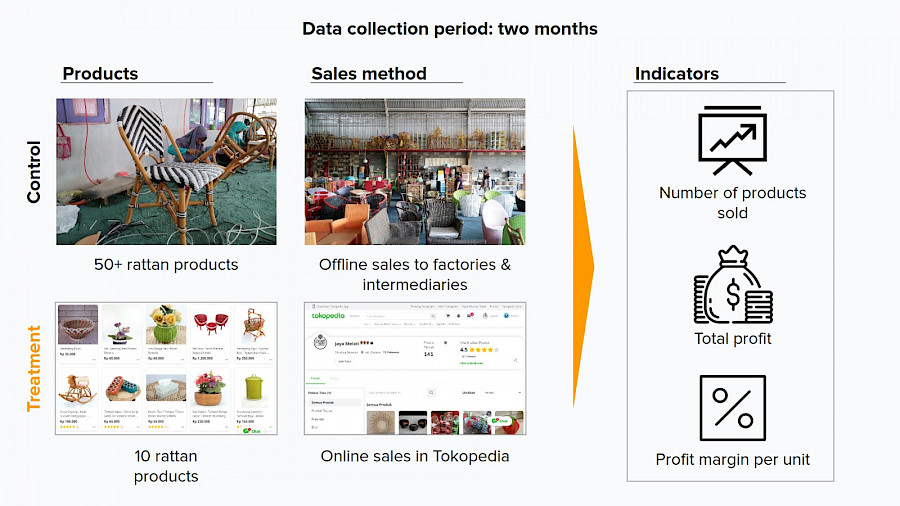
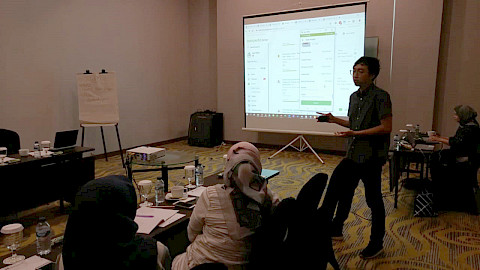
Kopernik trained homeworker groups to be able to set up and operate online businesses, through which they were able to sell their products directly to consumers. We tested the effectiveness of this solution to generate higher profits - and therefore a higher income for the workers - in comparison with traditional payments received from intermediaries (in addition to that, the workers were trained to be able to add new products to the online platforms in the future, in order to create a long-term sustainable solution).
This intervention is part of the MAMPU program, an Australia-Indonesia Partnership for Gender Equality and Women’s Empowerment.
Project design
How we ran it
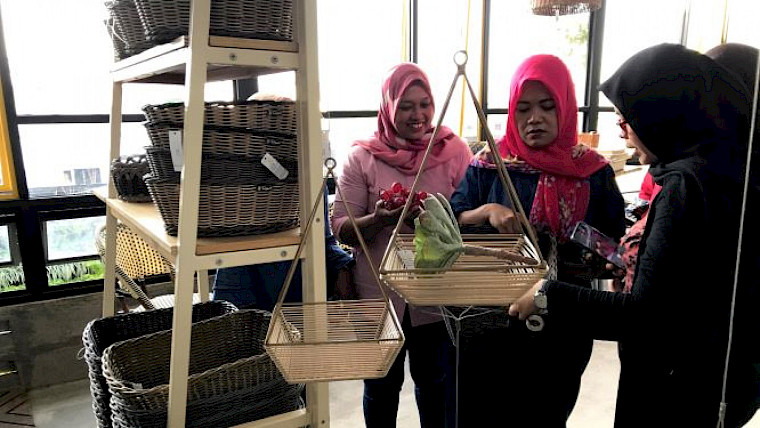
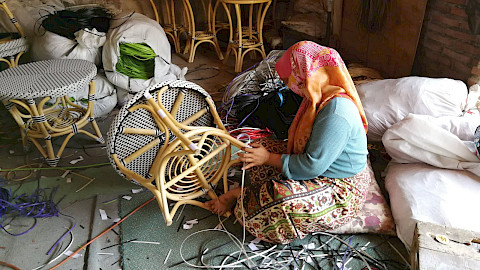
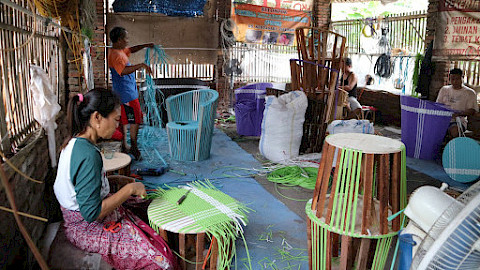
Kopernik worked with an Indonesian NGO supporting a women-led microbusiness with a home worker group in a village in Cirebon, West Java. The group was manufacturing rattan furniture in small groups at their homes, and receiving payments from intermediaries who would then sell on to wholesalers/retailers.
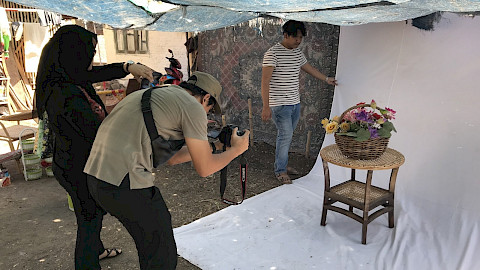
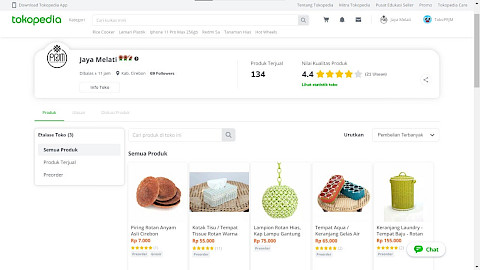
We helped them to select the best-selling items from their wide range of products. With those items, we trained the producers to set up and operate an online store on one of the leading e-commerce platforms in Indonesia -Tokopedia, in July 2019. We then compared the sales and profit from both sales methods -online vs traditional (i.e. through intermediaries)- during a 2 month period, from the end of August to mid-October 2019.
The technology
Results
What we learned
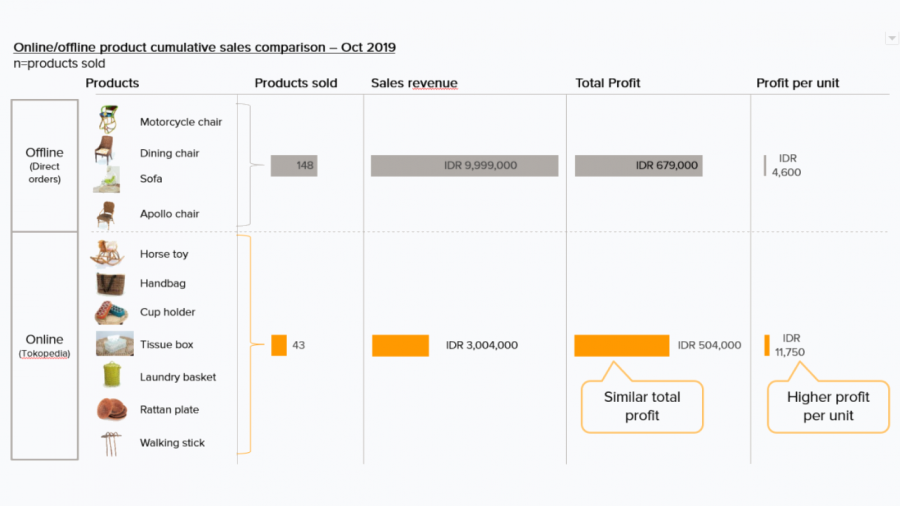
The products sold through the online platform were able to generate an additional IDR 504,000 (US$36) in profit by selling 43 products, while the profit generated through their traditional (intermediary) method was IDR 679,000 (US$48.5) by manufacturing 148 products.
Conclusion
The results show that providing training to women homeworkers and women-led microbusinesses to sell their products online increased their profits by 74%.