

Lure-based Delta Trap
Lost of Cacao Production due to Cacao Pod Borer (CPB) Infestation
Summary
We evaluated the performance of a lure-based DIY delta trap in attracting male Cacao Pod Borers (CPB) and controlling their infestation on cacao pods. The experiment was conducted in Klaisu Village, Jayapura, Papua.
Why we rated it this way
Initial testing of the trap revealed that the cacao plots set with traps using green bean coffee lures, and pruned (Treatment 2 group), produced healthier cacao beans per tree compared to the pruned and sanitised (Treatment 1 group) and only pruned (control group) plots. Further testing with a better trap-to-hectare ratio and longer experiment duration is needed to assess the lure quality over time.
The problem
What we found
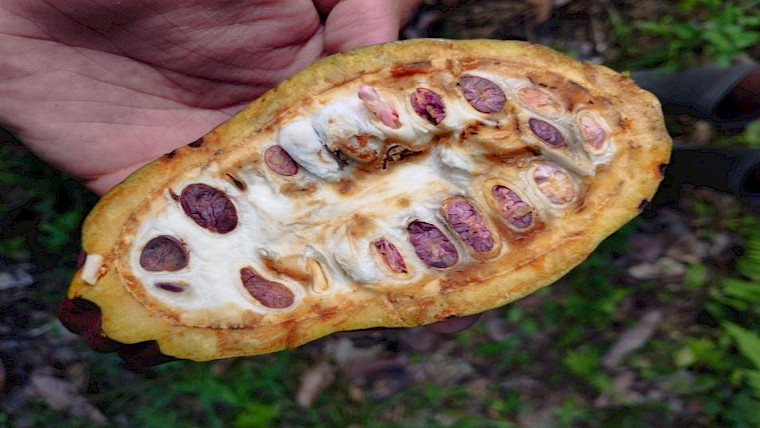
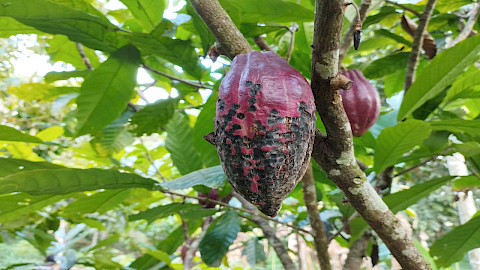
The CPB (Cacao Pod Borer) infestation is a significant threat to cacao production in Klaisu, causing harvest losses of up to 50%. These pests bore into cacao pods, damaging the beans and reducing both the quantity and quality of the harvest. As a result, farmers experience reduced income, which further discourages investment in proper pest control measures.
Efforts to eradicate CPB in Klaisu remain limited and largely ineffective. Since 2015, a restoration program aligned with the local government’s replanting initiative has been maintained by the farmer group. Farmers primarily depend on regular mandatory pruning, sanitation, occasional insecticide spraying, and replanting with new seedlings to control the infestation.
The solution
What we tested
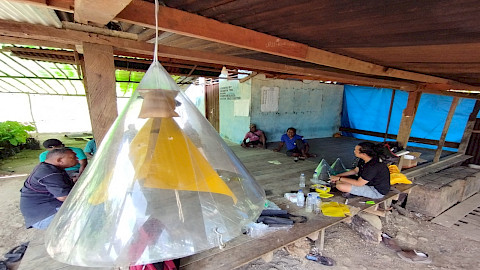
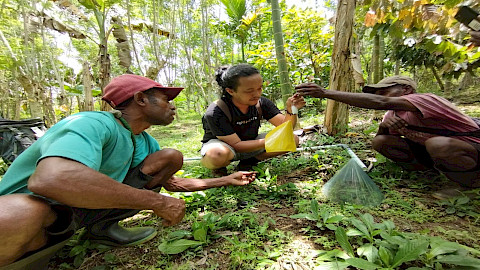
We developed a DIY delta trap using organic, locally sourced lures, offering a more affordable and eco-friendly alternative to insecticides. These lures are designed to attract male CPBs, disrupting their breeding cycle.
Project design
How we ran it
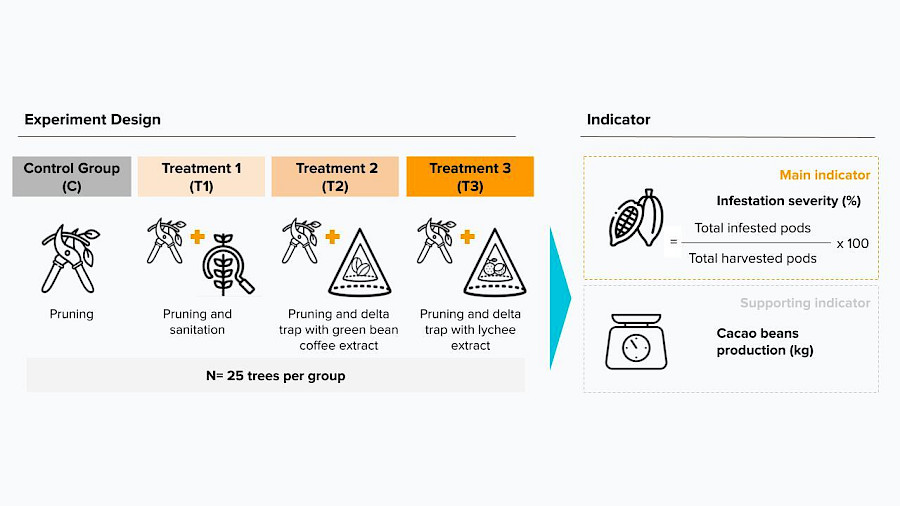
The experiment involved four groups, each testing different cacao pod borer (CPB) control methods to evaluate their effectiveness in reducing infestation severity and improving cacao bean production. The control group followed standard practice by implementing only pruning, which helps maintain tree health but does not directly target CPB. Treatment 1 (T1) combined pruning with sanitation, where infested pods and plant debris were removed to minimize CPB breeding sites. Treatment 2 (T2) applied pruning along with a delta trap baited with green bean coffee extract, designed to attract and trap male CPBs to disrupt their reproduction cycle. Similarly, Treatment 3 (T3) combined pruning with a delta trap containing lychee extract, testing its potential as an alternative lure. Each treatment group consisted of 25 cacao trees, ensuring consistency in comparison and evaluation across different pest control strategies.
We focused on two main indicators during the experiment:
- Infestation Severity (%): This was measured by calculating the percentage of total infested pods out of the total harvested pods in each treatment group. The goal was to evaluate whether different CPB control methods, particularly delta traps with organic lures, reduced infestation rates compared to standard practices.
- Cacao Beans Production (kg): We assessed the total weight of cacao beans harvested from each treatment group to determine whether improved CPB control led to higher yield and better-quality production.
By comparing these indicators across the four groups, we aimed to determine the most effective and practical approach for CPB management in cacao farms.
The technology
Results
What we learned
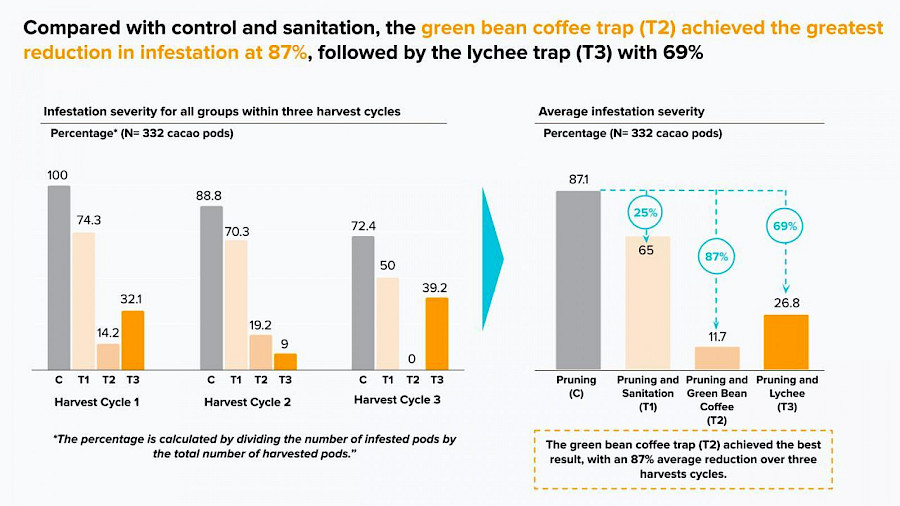
The experiment demonstrated that the green bean coffee delta trap (T2) was highly effective in reducing cacao pod borer (CPB) infestation, achieving a 87% reduction in infestation throughout the harvest cycles. In contrast, the lychee delta trap (T3) also showed significant impact, reducing infestation severity by an average of 69%, while pruning and sanitation (T1) resulted in a 25% reduction. The control group, which only implemented pruning, had the highest infestation severity across all harvest cycles.
Users observed that the coffee-based delta trap (T2) provided a more consistent and long-term reduction in infestation, completely eliminating CPB presence by the third harvest cycle. Meanwhile, the lychee-based delta trap (T3) was still effective but less impactful than the coffee-based lure, indicating that different lures may have varying effectiveness.
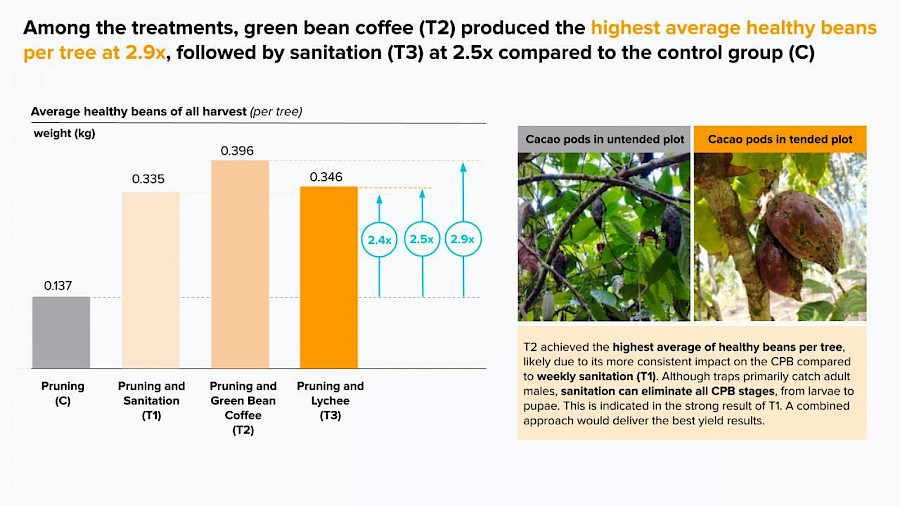
In terms of bean production, the experiment found that combining pruning with green bean coffee (T2) resulted in the highest average of healthy beans per tree of 0.396 kg, followed by pruning with lychee (T3) of 0.346 kg and 0.335 kg by pruning and sanitation (T1). T2 likely performed best due to more consistent control of the cacao pod borer (CPB), while sanitation (T1), though effective, was only done weekly. These results indicate that pruning and lure traps not only reduce infestation but also contribute to higher cacao production. It is therefore expected that the combined approach of pruning, deploying green bean coffee lure, and weekly sanitation would deliver the best yield results, although this combination was not tested in this experiment.
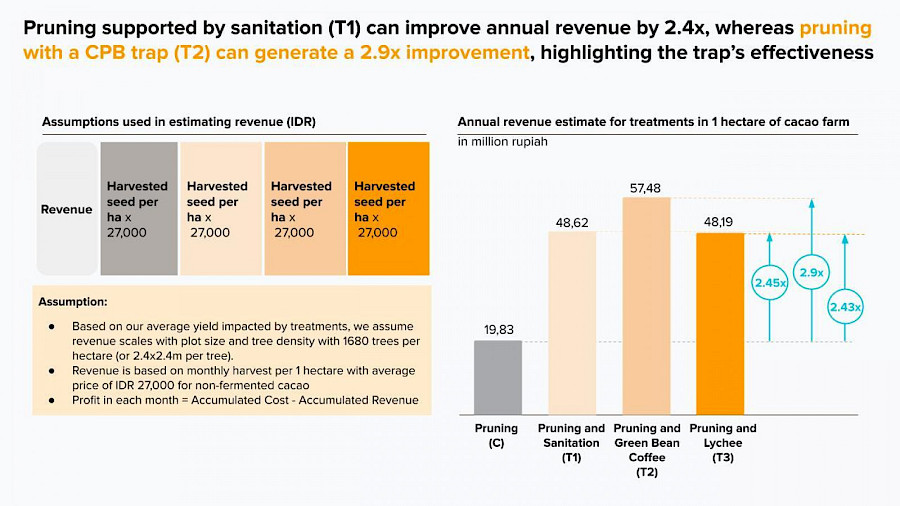
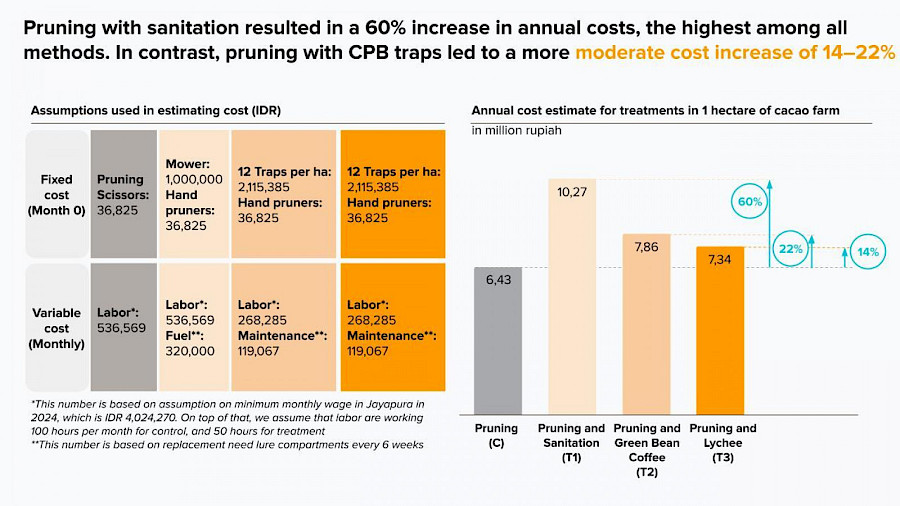
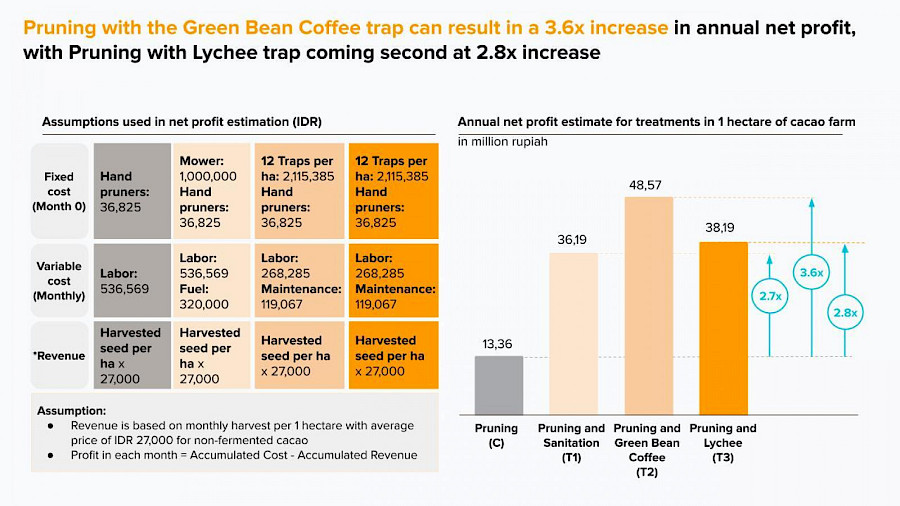
Pruning alone generated the lowest performance across all metrics, with estimated revenue of IDR 13.36 million, costs of IDR 6.43 million, and a resulting net profit of IDR 13.36 million per hectare. Adding sanitation can increase overall returns substantially where estimated revenue rose to IDR 36.19 million, while estimated annual costs increased to IDR 10.27 million, resulting in an estimated net profit of IDR 36.19 million, or a 2.7x improvement over pruning alone. The strongest results came from pruning combined with the Green Bean Coffee CPB trap, which can achieve the highest estimated revenue at IDR 48.57 million, relatively low costs at IDR 7.86 million, and the greatest estimated net profit of IDR 48.57 million, representing a 3.6x increase. Pruning with the Lychee trap also performed well, with estimated revenue of IDR 38.19 million, costs of IDR 7.34 million, and an estimated net profit of IDR 38.19 million, or a 2.8x improvement.
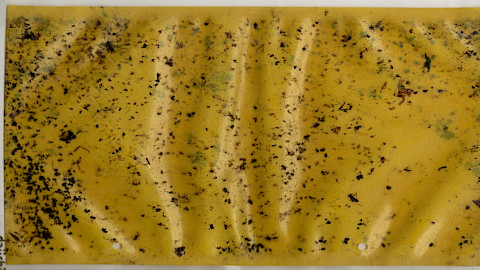
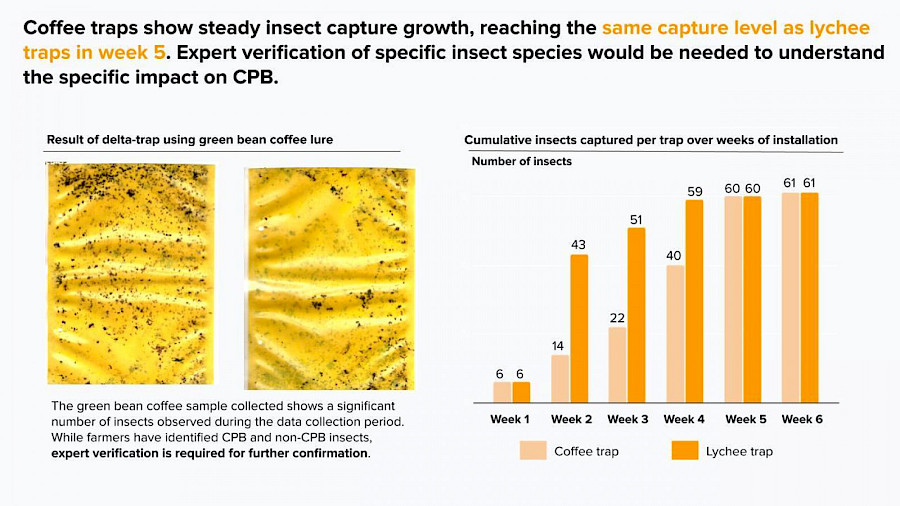
Additionally, insect capture data revealed that the green bean coffee trap showed steady growth in insect capture over time, eventually reaching similar effectiveness to the lychee trap by Week 4. While farmers identified a mix of CPB and non-CPB insects, expert verification is required to identify species for targeted pest management. The results suggest that both lures can be effective in attracting insects, but further studies are needed to determine the most efficient lure composition for CPB control.
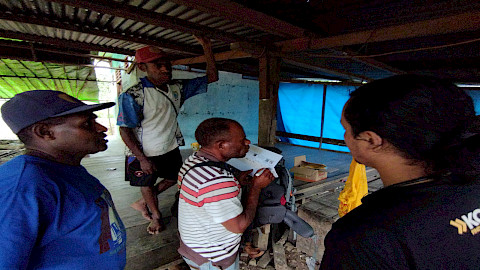
In terms of practical application, farmers noted that implementing delta traps required minimal labor once installed, making them a more sustainable and cost-effective alternative to chemical pesticides. However, further optimization of the trapping system is needed to ensure its durability and effectiveness across multiple harvest cycles.
Conclusion
The experiment confirmed that integrating green bean coffee-based delta traps with pruning (T2) is the most effective strategy for controlling cacao pod borer (CPB) infestation and improving cacao yield. The green bean lure (T2) consistently achieved complete CPB elimination by the third harvest, outperforming lychee lures (T3) and pruning alone (T1). This approach not only reduced pest presence but also resulted in the highest healthy bean production. While both lures proved helpful in attracting insects, further research is needed to optimize lure composition and verify species capture. Notably, farmers found delta traps to be low-maintenance and a promising alternative to chemical controls, though improvements in trap durability are recommended for long-term application.
Read more
Reports and references
Kopernik. Unmet Needs Report 2018: Smallholder Farmers in Papua, West Papua, & West Kalimantan. Kopernik.
https://v1.kopernik.info/documents/publication/1539068721801_4240.pdf