

Mobile Water Testing Kit
Inability to quickly assess water quality
Summary
We tested the accuracy and time required to measure E. coli levels in various water sources to provide water quality information to the community. The tests were conducted with an in-situ water testing kit - Akvo Caddisfly and compared to test results conducted in government laboratories.
Why we rated it this way
The Akvo Caddisfly water testing kit was found to be almost as accurate as laboratory analysis and produced results much more quickly than laboratory-conducted water tests, which could provide critical information to communities on the quality of water being consumed.
The problem
What we found
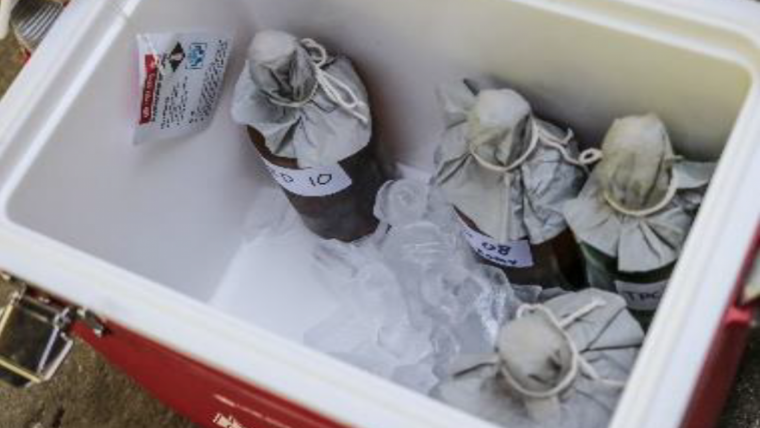
In Indonesia, only about 29 percent of the population have access to a safe drinking water source. Many of Bali’s clean water sources have been polluted by domestic sewage, agricultural and industrial waste with E. coli bacteria considered to be the most concerning contaminant found in drinking water. Most people boil groundwater, use water filters, or purchase filtered water for consumption, however, the safety of this water is not always guaranteed and it is difficult for people to be sure about the quality of the water they are consuming. Current E. coli tests are conducted through government laboratory analysis (ex-situ measurement), a time-consuming process which often depends on the availability of government staff to collect water samples. Therefore, there is a need for a rapid in-situ test that could provide communities with the data they need to ensure their drinking water is safe.
The solution
What we tested
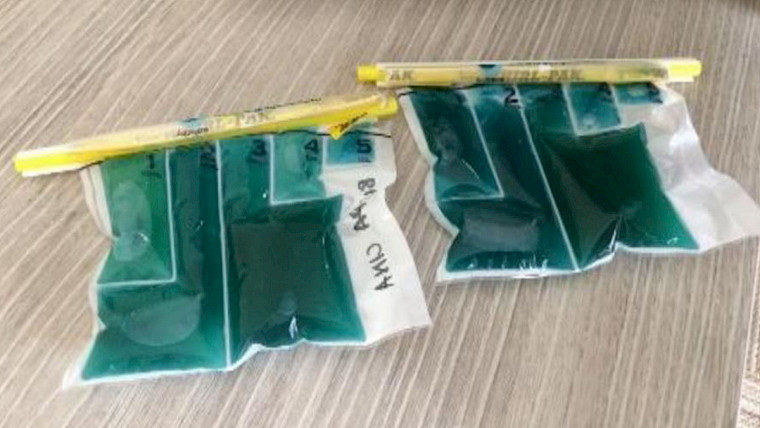
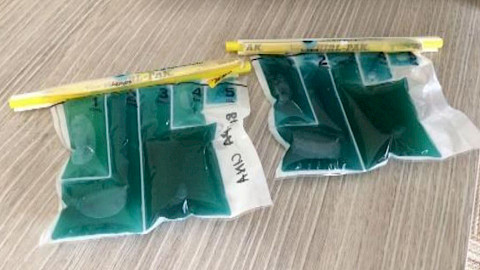
Kopernik tested the Akvo Caddisfly kit - using the Aquagenx Compartment Bag Test (CBT) method and a smartphone-based data collection tool to measure and collate data on E. coli. By comparing Akvo’s results against the laboratory results, we will understand whether Akvo’s kit can be used as a substitute for laboratory tests to perform E. coli measurements with limited access to laboratories, such as remote areas.
Project design
How we ran it
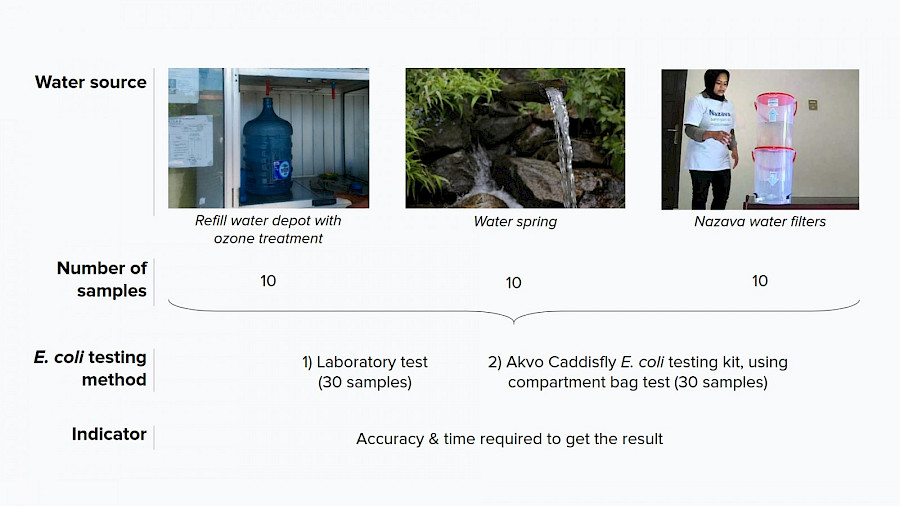
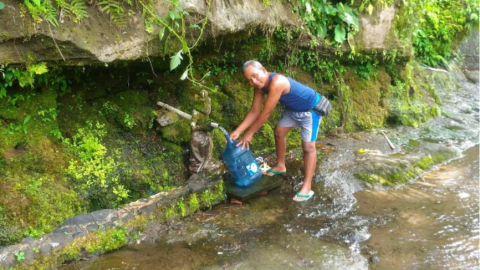
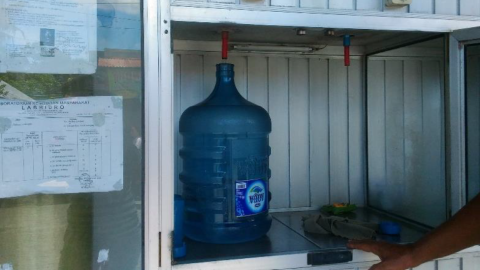
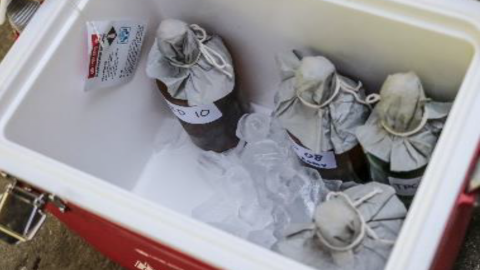
The experiment was conducted between late February until April 2018. Over the two month period, we tested 30 water samples from different water sources in Bali. Of these, 10 were samples of refill water gallon local businesses, 10 were samples of tap water which had been filtered using Nazava water filters, and 10 were samples of spring water. We measured the presence and levels of E. coli in each sample using government laboratory tests, as well as using the Akvo Caddisfly E. coli kit. This resulted in a total of 60 tests of 30 pairs of datasets. The results from the Akvo test kits were then compared to laboratory results to evaluate the accuracy and time required to obtain the test results.
The technology
Results
What we learned
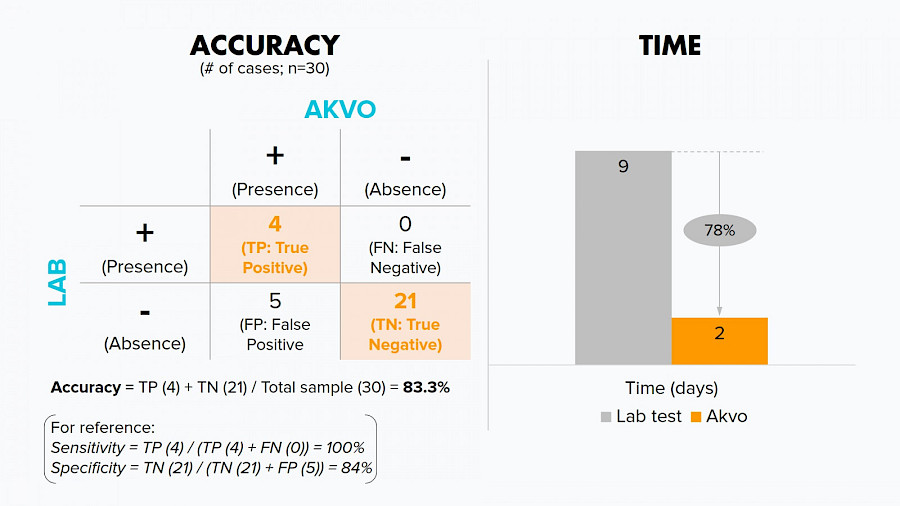
We found that the Akvo Caddisfly kit performed relatively well in measuring the E. coli levels in drinking water. Out of 30 water samples, 4 samples showed the presence of E. coli by both Akvo Caddisfly and laboratory results (true positive), and 21 samples showed E. coli absence by both tests (true negative). Based on the E. coli absence-presence classification figure, 25 out of 30 cases, i.e. 83.3 percent of the time the Akvo results were in line with the laboratory analysis.
In terms of time required efficiency, Akvo Caddisfly produced results with 78% less time required than the laboratory. Performing a test with Akvo Caddisfly took an average of 15-20 minutes and required an incubation period of around 24 to 48 hours. Meanwhile, sending samples to the laboratory requires between 7 to 9 days waiting time (from sending of samples until receiving the results).
Conclusion
The experiment results show that Akvo Caddisfly test kit matches the laboratory test results for E. coli levels in drinking water samples relatively well at 83.3% and also produces E. coli readings in 78% less time than conducting laboratory tests, making it a potentially viable solution for those who need fast results or do not have access to laboratory testing.
______________________________________________________
* Accuracy: Proportion of true results (either true positive or true positive) among the total samples.
** Sensitivity: Ability of AKVO Caddisfly to correctly detect the presence of E. coli when there is E. coli.
*** Specificity: Ability of AKVO Caddisfly to correctly detect the absence of E. coli when there’s no E. coli in the sample.
For more information, please see Cochrane UK website.
Read more
Reports and references
Ningrum, Nanis. (2018). Measuring E. coli in Water: Smartphone-based Testing Kit Project Report.