

Remote Area Community Hotspot for Education and Learning (RACHEL) device for online learning in rural Bali
Students’ insufficient access to learning materials in remote areas
Summary
Kopernik tested RACHEL, a portable device that stores digital educational materials to help teachers and students in accessing them in a remote village in Karangasem, Bali.
Why we rated it this way
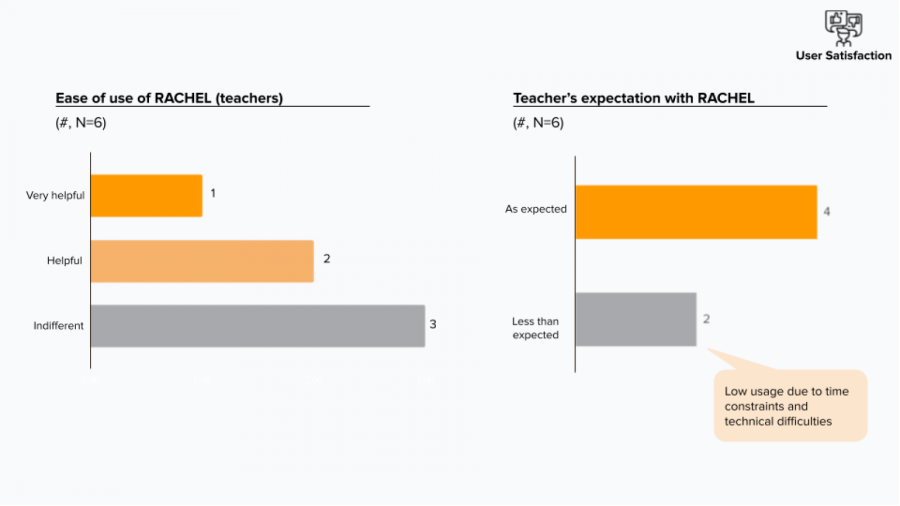
The intervention had moderate effectiveness as the number of teachers using the device decreased from 11 at the beginning of the experiment, to only 6 teachers at the end of the experiment. Half of the six teachers said RACHEL is indifferent to the conventional teaching methods, and 2 out of 6 stated the tools did not meet their expectations.
The problem
What we found
Survey from Worldbank (2019) shows that education in Indonesia still faces multiple challenges, especially in rural areas - out of 270 rural and remote primary schools surveyed in 2016, only 17% have internet access and 39% have enough textbooks.
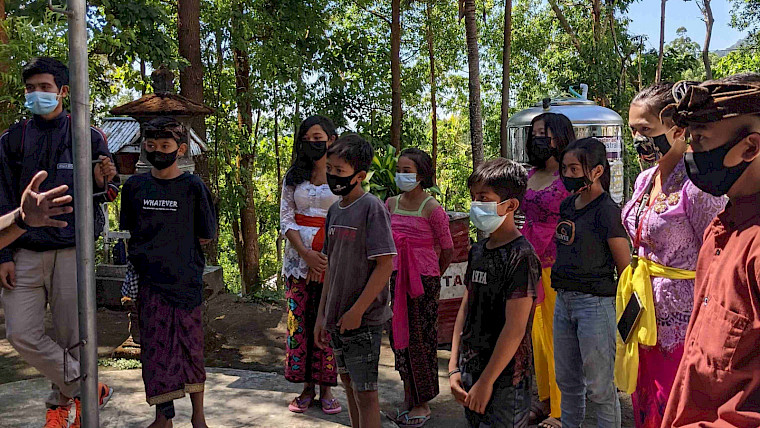
Similar problems occurred in Ban Village, Karangasem, Bali where they face difficulties in accessing learning materials online due to the poor internet connectivity. This condition got worse during the Covid-19 pandemic, since the Indonesian government implemented an online learning policy to prevent the spread of virus. In response, teachers and students in Ban Village had to rely fully on a mobile phone based messaging app (WhatsApp) to share learning materials, homeworks, and assignments. Because of the poor connectivity, however, students sometimes even have to climb trees and hills only to get an internet signal and access the materials and submit their assignments. This connectivity issue also posed a challenge to teachers. Restriction of movement made the learning even more challenging.
The solution
What we tested
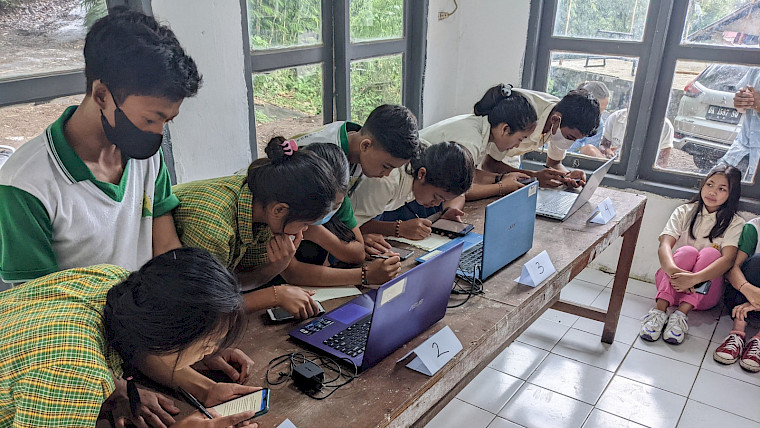
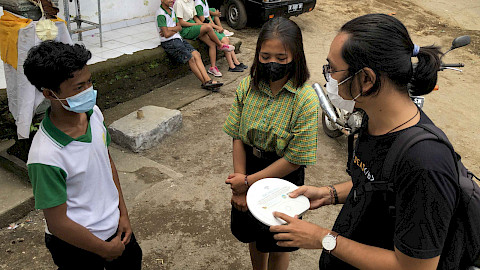
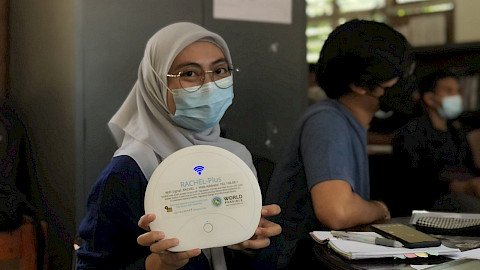
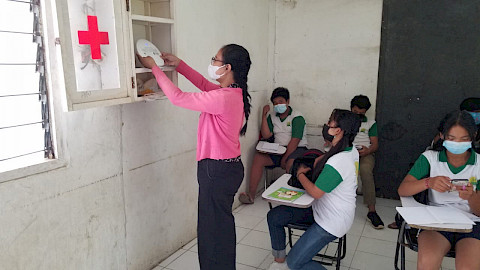
Kopernik introduces a technology named RACHEL developed by World Possible. It is a portable battery-powered server that stores educational websites and materials for teachers and students to download in an offline environment. It also enabled them to upload locally relevant learning materials as well as assignments without internet nor data plans.
Project design
How we ran it
Before integrating RACHEL into the learning system in Ban Village, we modified RACHEL in the following way so that it could be easily used by students and teachers there. First, we translated RACHEL materials that are available in English to the Indonesian language. Second, in collaboration with Inibudi, we added more content from several platforms such as aspirational and motivational videos, folklore, and interactive English videos to increase the learning opportunities. Lastly, we also included scanned local textbooks on RACHEL.
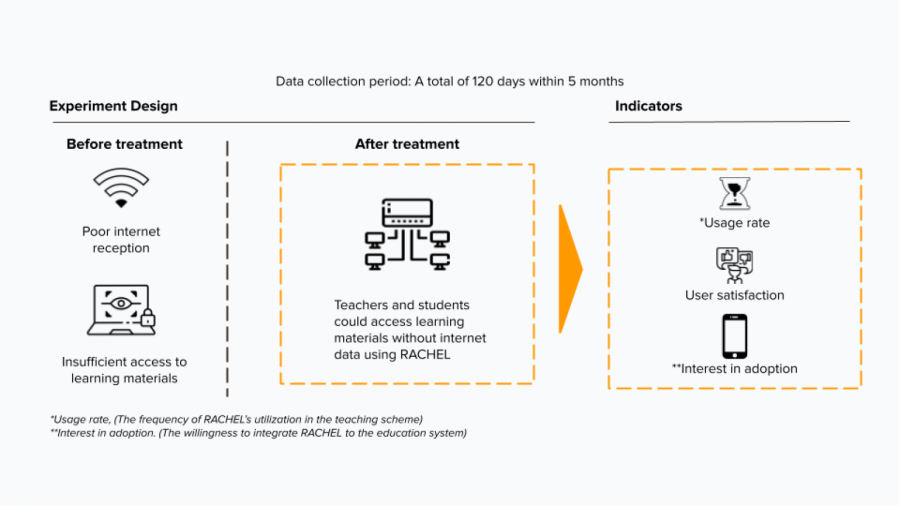
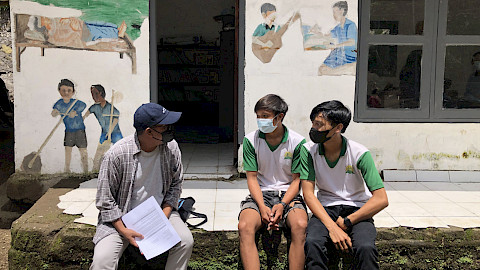
To evaluate the impact of RACHEL on their learning system, we measured three indicators: usage rate of the device, user satisfaction, and interest in adoption, during the online and offline learning activities in two schools (Sekolah Bunga and Sekolah Pengalusan) in the village.
The technology
Results
What we learned
Usage rate
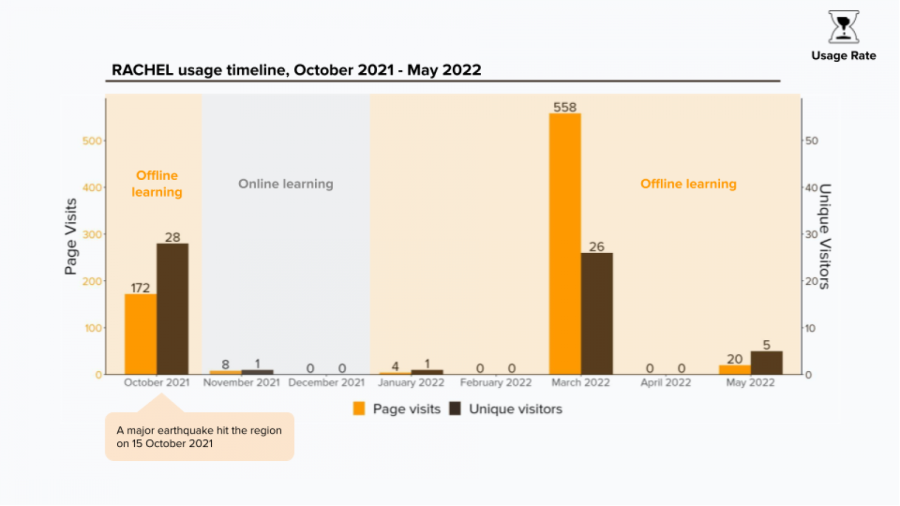
We measured the usage rate by looking at the number of page visits and unique visitors (the number of distinctive users that used RACHEL). According to these indicators, RACHEL was heavily used in October 2021 and March 2022. October 2021 had a very good momentum since the training session was conducted in that month. Students and teachers were starting to use the device during their learning sessions. The number of page visits and unique visitors declined in November 2021 after the earthquake hit the region. Usage rate reached the highest in March 2022 when the Kopernik team visited again for monitoring, with up to 558 pages visits and 28 unique visitors respectively. After March 2022, the usage rate declined again in April and May 2022 with a total of 5 unique visitors. Throughout the implementation period, students mainly used RACHEL for about 1-5 hours per week. Students also preferred to use RACHEL outside of school hours. They mainly watched interactive videos of math, english, and folklore as guided by the teachers.
User satisfaction
From six teachers who continued to use RACHEL throughout the experiment, three stated that the device was helpful to support their learning scheme and four teachers expressed that RACHEL has met their expectation in providing better access to learning materials. In addition, RACHEL was able to accommodate students to watch interactive videos that increased the class participation. Students learnt not only from the teacher’s explanation, but also from video examples provided by RACHEL. Learning by using RACHEL changes their preference, especially on English language subjects. They tend to appreciate the English language more when using the technology.
For some of the teachers, the challenges included difficulties in the log-in process, quickly locating appropriate teaching materials, and smartphone incompatibility (that smartphone is not supported by RACHEL). As for the students, they expressed that the device was helpful. They could easily explore and download the learning materials without needing to worry about the unreliable internet connection. Interestingly, we found that about 67% of students also used the device outside of school hours and during the school break to explore the materials by themselves.
Interest in adoption
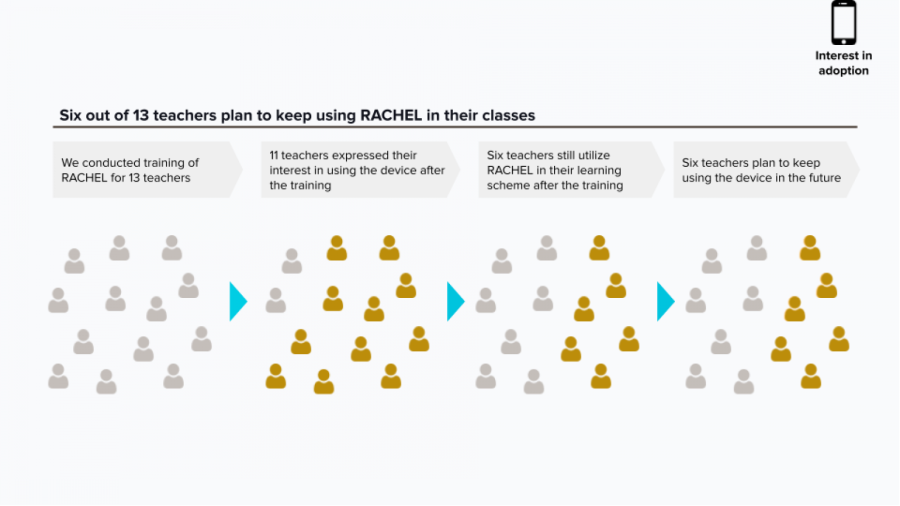
During the technical training, 11 out of 13 teachers expressed their interest to integrate RACHEL in their teaching method. In the implementation, however, 6 out of 11 teachers have actually integrated RACHEL into their learning scheme and plan to continue to do so in the future. Others who decided not to use the device said that technical challenges (such as difficulty in logging into the device, and its incompatibility with old laptops) made them reluctant to use the device. In terms of non-technical challenges, they could not use RACHEL for hands-on subjects such as arts and Physical Education (PE), and prefer to conduct offline sessions for these subjects.
Conclusion
Overall, 46% of the teachers have used RACHEL during online and offline learning environments, and the technology was used most during October 2021 and March 2022 when the Kopernik team was present at schools. Those teachers expressed that RACHEL could support their teaching activities, despite some minor difficulty in locating the materials and logging in. For them, the benefit outweighs the challenges, and they intend to continue using RACHEL in the future. On the other hand, all students still find RACHEL more than enough to support learning activity during and after school hours.