

Pulau Plastik (Plastic Island) - Seri Edutainment untuk Bali yang lebih Bersih
Sep 23, 2019 Project Leader annabaranova Duration: Satu Tahun
Kopernik Solutions telah menghibahkan dana kepada mitra terpercaya yang sedang menjalankan proyek ini.
Seri video yang akan menggunakan pendekatan antropologis dan kebudayaan, dirancang untuk penonton lokal dan bertujuan untuk mengubah sikap dan perilaku mereka terhadap limbah sampah dan mendorong pengelolaan sampah yang lebih baik.
Project type
- Uji Coba Solusi Potensial
- 3. Good Health & Well-Being
Partners


The problem
Indonesia adalah negara keempat dengan jumlah penduduk terbanyak di dunia tetapi merupakan negara kedua dalam urutan kontributor polusi plastik di laut. Setiap tahun, lebih dari 1,3 juta ton plastik terbawa oleh sungai yang kemudian hanyut ke lautan. Diperkirakan pulau Bali sendiri saja berkontribusi sebanyak 110.000 ton limbah plastik setiap tahunnya.
Penggunaan kemasan plastik sekali pakai sangat banyak ditemukan di Bali seperti penggunaan kantong plastik, botol plastik, dan plastik produk kecantikan. Menurut Kementerian Lingkungan Hidup, orang Indonesia mengkonsumsi 1 juta kantong plastik per menitnya. Pada tahun 2016, pemerintah melakukan uji coba proyek untuk mengenakan pajak atas kantong plastik di 23 kota di Indonesia. Walaupun proyek ini menunjukan hasil positif dalam pengurangan penggunaan kantong plastik, banyak perlawanan yang berasal dari komunitas dan industri lokal sehingga rencana untuk mengimplementasikannya ke seluruh daerah Indonesia masih dikesampingkan.
Pada November 2017, Bali mendeklarasikan “darurat sampah” setelah banyak pantai-pantai yang populer dengan turis dibanjiri oleh sampah. Untuk menanggapi masalah ini, pulau Bali telah mendapatkan banyak respons dari komunitas dan inisiatif lokal yang melakukan daur ulang dan pengomposan sampah. Akan tetapi, masih banyak yang harus dikerjakan untuk meningkatkan pemahaman komunitas lokal terhadap isu ini dan membuat mereka mau berpartisipasi secara aktif baik dalam pengimplementasian solusi sampah plastik ini.
The solution
Ada dua strategi utama dalam menghadapi masalah limbah plastik: pencegahan dengan mengurangi konsumsi plastik dan pencegahan melalui kebijakan dan kebiasaan yang lebih baik untuk mendaur ulang limbah plastik yang sudah diproduksi. Dengan membuat seri video edukasi, yang dikembangkan khusus untuk komunitas lokal, proyek ini bertujuan untuk menggunakan kedua strategi itu untuk mencapai hasil sebagai berikut:
- Pemahaman lebih baik tentang masalah limbah plastik di Bali.
- Pemisahan limbah, pengomposan dan pembuangan yang lebih baik untuk setiap keluarga.
- Bertumbuhnya aktivisme masyarakat yang dilanjutkan dengan kebijakan pemerintah untuk perubahan yang secara substansial akan membatasi penggunaan kantong plastik
The project results
Since the project commenced in early 2018, we have produced a pilot episode which was launched on 1 February 2019, and have been screened to more than 50 communities through events in Bali, Lombok, Java, Sumatera, Sulawesi, Timor, and Papua reaching more than 5,000 people.
To measure the impact of Pulau Plastik pilot episode, we conducted four lean surveys and three full surveys at different screenings of the pilot episode. These are several highlights of our findings:
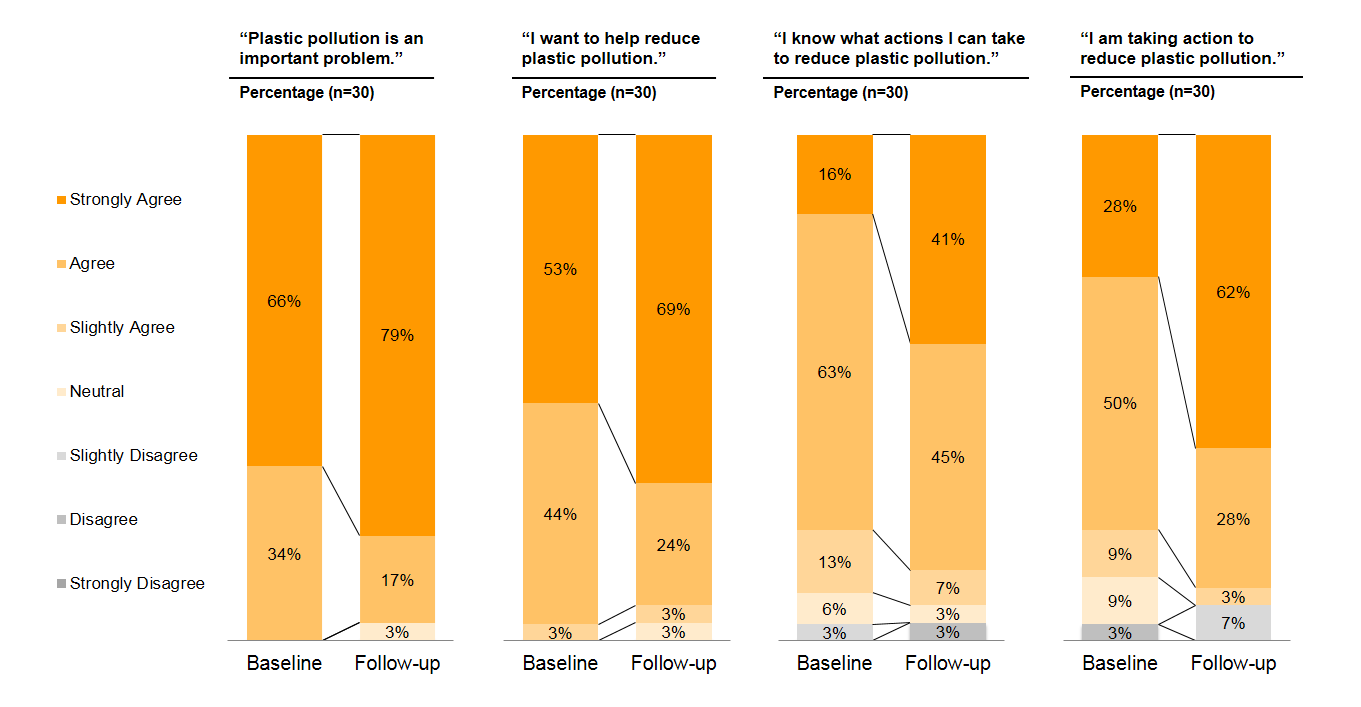
Personal changes. In general, respondents were already aware about the plastic waste issue and motivated to reduce plastic pollution before they watched the Pulau Plastik episode. After watching the episode, both their awareness and motivation are strengthened.
A significant number of participants also reported that they know more about new actions they can take to reduce plastic pollution and are willing to take them after watching the episode.
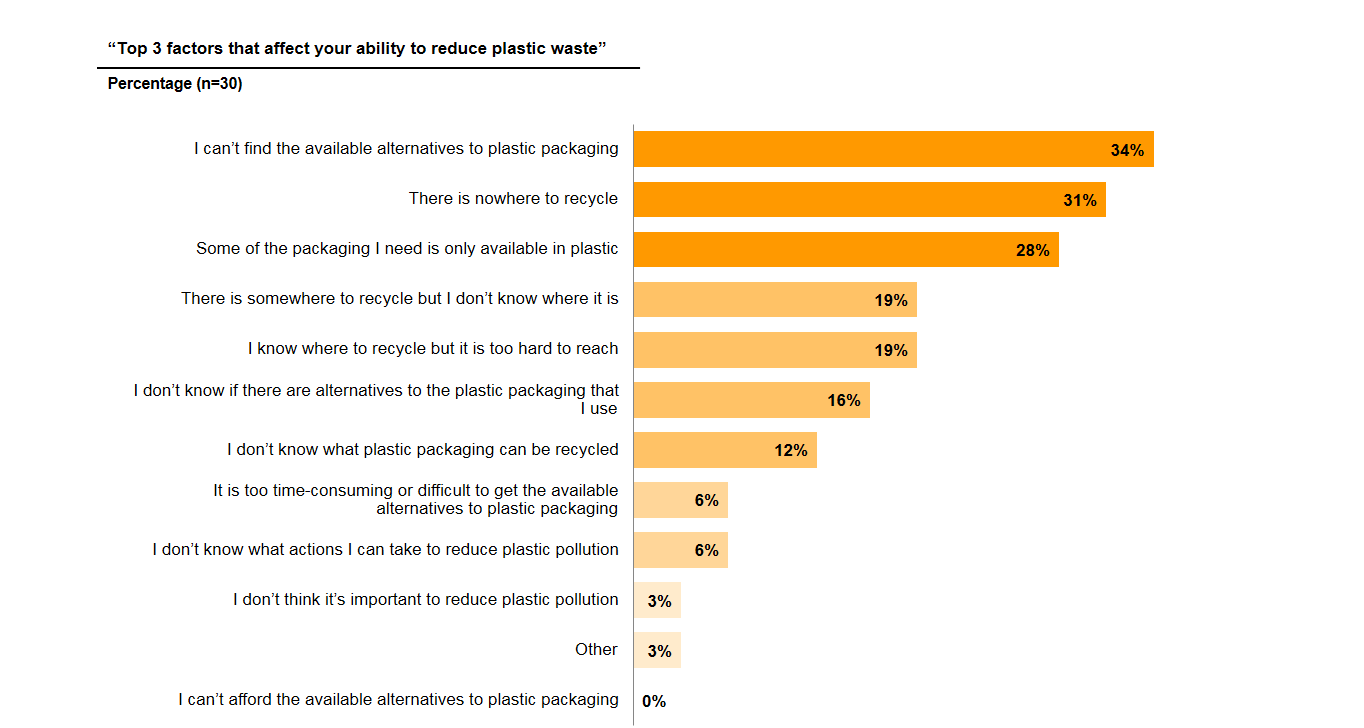
Behavior inhibitors. Participants reported that the main factors which hinder their ability to reduce plastic waste are: the lack of available alternatives to plastic packaging and the unavailability of recycling facility that they can access.
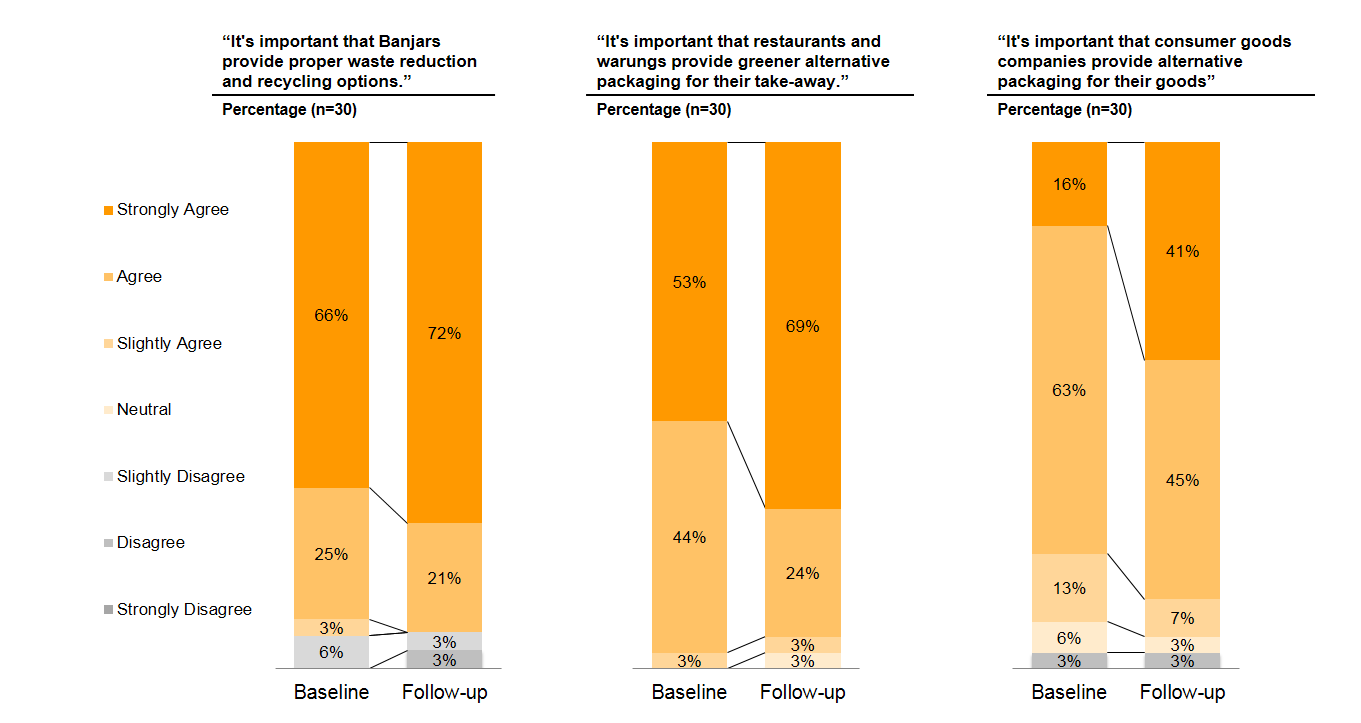
Advocacy. We found that participants who expressed the importance of banjars, restaurants, warungs, and producers’ roles in waste reduction before the screening were getting their beliefs strengthened after watching the episode. However, the episode made little impact on participants who from the start do not think that those stakeholders’ roles are important.
Significant changes are seen on participants’ motivation to push related stakeholders to improve their waste management practices and their knowledge on how to do that.
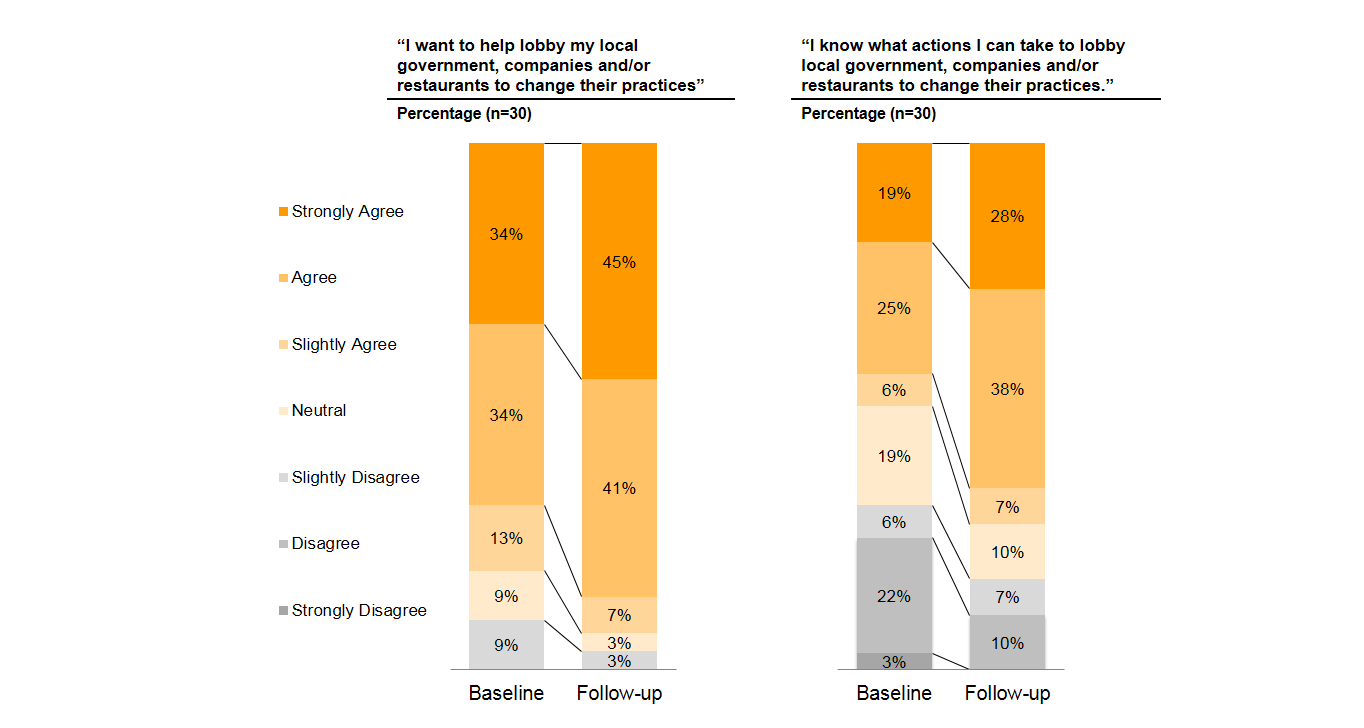
Since we have received positive responses on our pilot episode, we will continue educating and encouraging residents of Bali and beyond to create positive change in reducing individual and household use of single-use plastics. We have recently completed four episodes of educational video series that cover key issues surrounding single-use plastics, including microplastics, household sorting and disposal, government policy, and the food and hospitality industry. They strongly feature Balinese philosophy and its relationship with single-use plastics, and also practical solutions and practical calls to action for individuals to reduce single use plastics.
The phase two of Pulau Plastik will focus on distributing these four episodes through community screening events and collecting data from the events for our impact measurement. We will also produce and distribute the action kits for small businesses and schools.
Show project location
Project cost
| Type | Description | Amount |
|---|---|---|
| Implementasi Solusi & Proyek | Biaya untuk pembelian solusi teruji dan koordinasi proyek | $7,983 |
| Pemantauan & Evaluasi | Biaya untuk mengumpulkan data, analisa dan pelaporan | $1,115 |
| Biaya Administrasi | Biaya untuk mengirim pembayaran internasional, memproses donasi online (5%), dan kontribusi biaya operasional Kopernik (15%) | $1,888 |
| Total | $10,986 |
01 / 01