

ソーラーライトの普及によるインドネシア無電化地域の生産性向上支援
Project type
- 革新的な解決策をテストする
- 7. Affordable & Clean Energy
Partners

The problem
インドネシア国営電力会社によれば、インドネシアの昨年の電化率は88%に達しています。一方でラストマイルに暮らす多くの家庭には電気が普及しておらず、照明として灯油ランプを使わなくてはならないため、煙による健康被害や火事の危険にさらされています。
The solution
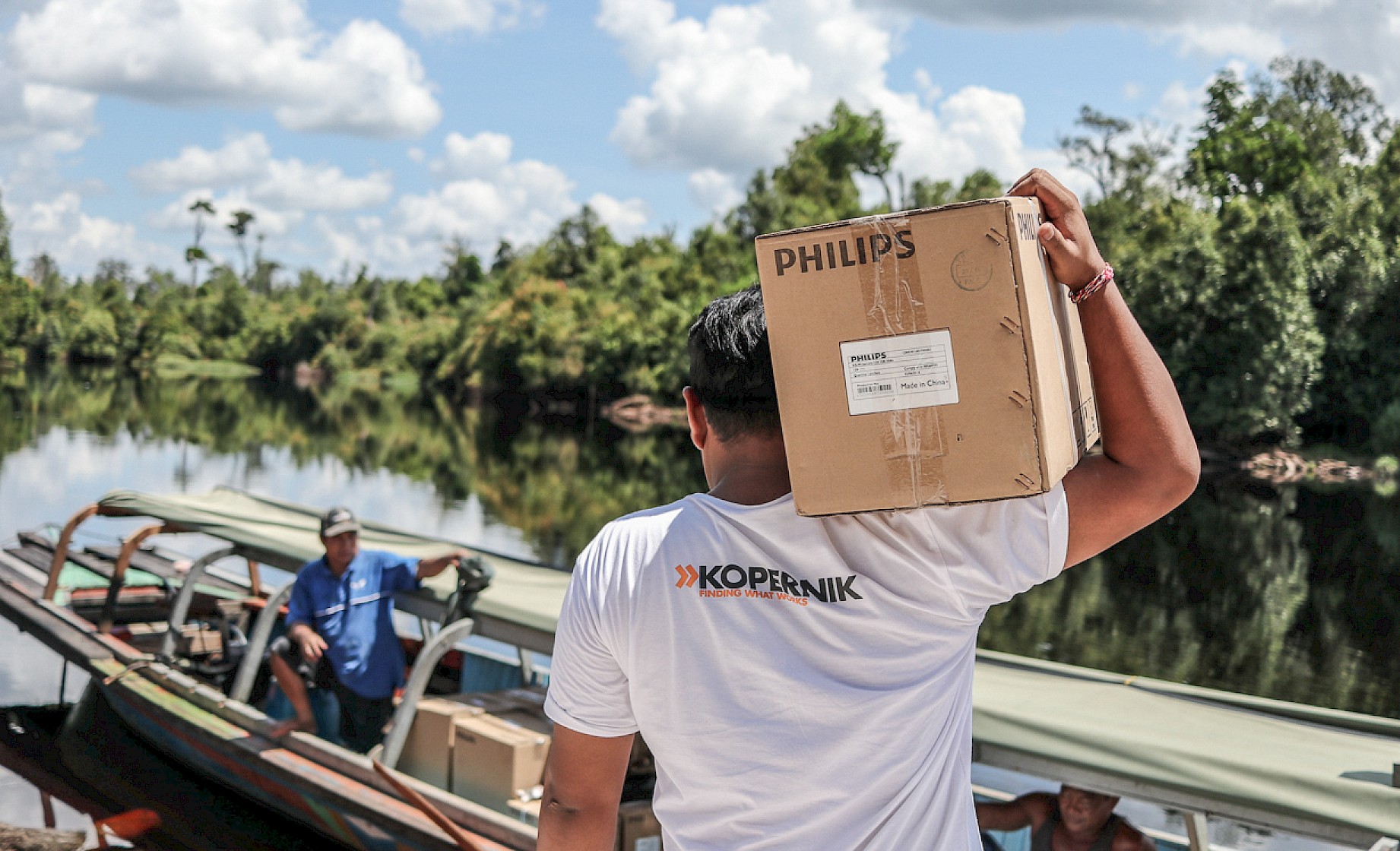
コペルニクは北スマトラ州・東バリ州・中央カリマンタン州・マルク州に、1,200個のフィリップス社製家庭用ソーラーライトと太陽光発電式街灯を届ける支援を行います。これにより電気が普及していない村に、安全で経済的な電力を供給します。
The expected impact
The project results
Through this project, we were able to distribute a total of 1,184 technologies in North Sumatera, Central Kalimantan, and Maluku, as well as East Bali through the Mount Agung Emergency Response Project. With the support of our local partners, we distributed 1,104 solar home systems and 80 solar road lighting in 4 provinces, 8 districts, 21 villages, and 22 sub-villages from 2017 to 2018.
With the solar lamp system, we observed a reduction of household expenditure on fuels across all regions:- In North Sumatera, on average a household saved 7 liters of kerosene and 3.5 liters of diesel fuel monthly.
- In Central Kalimantan, on average a household saved 10.4 liters of kerosene and 45.7 liters of diesel fuel monthly.
- In Maluku, on average a household saved 7 liters of kerosene and 3.5 liters of diesel fuel monthly.
- In East Bali, the evacuation centers did not have to spend any electricity cost.
The broader impact
With the new lighting technology, the communities have an improved quality of life through improved public facilities such as health facilities, street lights, and places of worship. In addition, some community members were able to conduct additional business activities with the access to lighting at their homes, for example: women were able to open small kiosks and sell home-made handicrafts that generated more income for them.
Show project location
01 / 01