

モリンガの栽培による発育阻害の削減
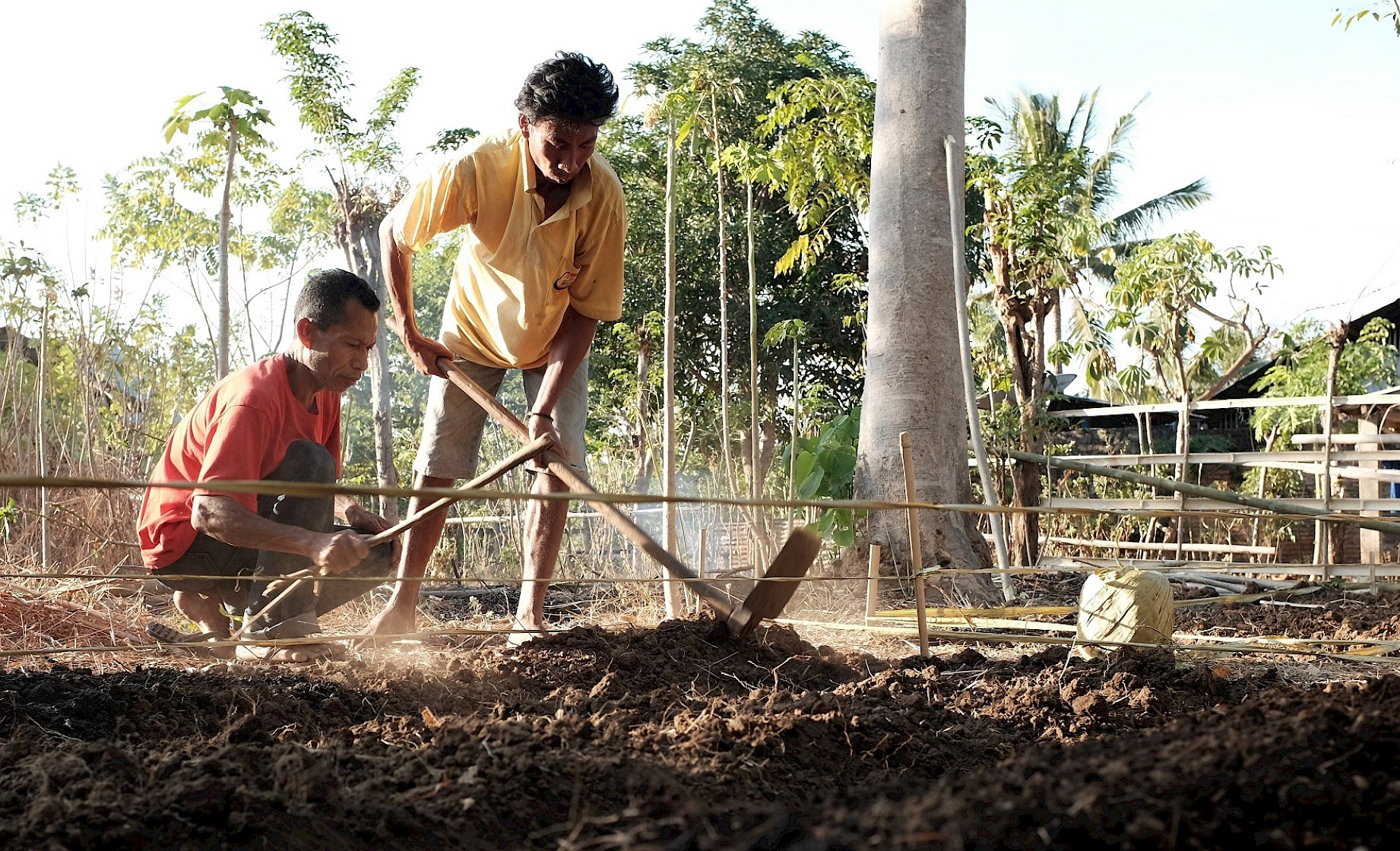
モリンガ栽培の研修及び、栄養価の高い食事に関する食育を支援し発育阻害の削減を目指しています。
Project type
- 革新的な解決策をテストする
- 2. Zero Hunger
Partners

The problem
コペルニクが実施した、発育阻害の削減の最初の取り組みである、東ヌサ・トゥンガラ州中央スンバ県のダハ・エル村での活動では、妊娠中の母親と2歳未満の子どもが、主に米、とうもろこしや根菜などを食べていることが分かりました。このようなデンプン質の多い食べ物は、ビタミン、タンパク質、ミネラルの含有量が少なく、これは栄養の摂取量が偏っていることを意味しており、2歳未満の子供の56%が発育不全と報告されているダハ・エル村の発育阻害の発生が高い要因の1つになっています。食物の種類が少ない原因の一つとして、地元で作れる栄養価の高い食物そして、食に関する知識が不十分だからと考えられます。
モリンガのような栄養価の高い食品は、すでに総合保健センター(Posyandu)で子どもたちの栄養補助食品として提供されていますが、モリンガのメリットや植え方について十分な知識を持っている家庭はまだ多くありません。
The solution
見えない飢餓と呼ばれる主要栄養素と微量栄養素の不足は、1日に必要なカロリーは摂取しているものの栄養が不十分である人に起こります。そこで本プロジェクトでは、妊娠中の母親と2歳未満の子どもがいる世帯の食習慣を改善するために、栄養に配慮した農業研修と食育を行います。また、この研修は、モリンガの栽培に関心のある他の世帯、特に5歳未満の子どもがいる世帯にも提供されます。
コペルニクは、ダハ・エル村の現地パートナーである、Women's Empowerment Group(PKK)と綿密に連携し、この取組みに賛同する家庭に菜園を設置する予定です。そして、干ばつが起こりやすい地域でもよく育ち、栄養価が高い野菜であるモリンガの苗を提供します。さらに、モリンガの専門家が研修と技術援助を提供します。
各世帯は、モリンガの苗を受け取る前に食育研修に参加する必要があります。コペルニクは保健省と協力してこの研修を実施し、モリンガを活用した栄養価の高い地元の食品や事による栄養改善や、モリンガの保存方法や、栽培のメリットなどについて紹介します。また、情報発信ツールとして仕掛け絵本も作成します。
The expected impact
食育研修とモリンガの苗木の供給により、栄養価の高い食品に関する知識を付け、各家庭が栄養価の高い食事をとることへの支出が増加し、モリンガの栽培を自足的に実施することが期待されます。
また、この取り組みの効果を持続させるためには、PKKメンバーが技能と知識を向上させ、自治体が、発育阻害防止のため、モリンガ栽培へリソースを活用することを増やすという公約を確立させる必要があるとも考えています。
The project results
Seven months after we started the project – during which the nutritional education training had been conducted and moringa seeds distributed – it is safe to say that the families are consuming more moringa and the households have become more aware of nutritionally-balanced diets.
However, most mothers faced challenges in keeping the moringa trees alive. From a total of 245 moringa seeds distributed to 49 households in Daha Elu Village, only 55 trees or 22% survived.
Along with proximity to livestock, heavy rain and the recent cyclone that affected the village were other reasons the moringa seeds did not grow well. Despite these challenges, their willingness to continue growing the moringa remains strong. Almost all mothers we interviewed said they are trying to find replacement moringa seeds or plants to ensure they can have and consume it from their own gardens.
58% of the 27 mothers we interviewed said they have been consuming more moringa. Some consumed it from plants grown in their own homes, while most obtained it from their families or neighbors. Normally, these moringa leaves would be mixed with rice porridge or noodles, stir-fried with garlic, or cooked into a clear soup.
Since we conducted the educational training on a nutritionally-balanced diet and provided nutrition charts to the households, 70% of the 27 mothers we interviewed have become more aware of the importance of diversifying their diet and have started applying it to their family meals. For example, they have added more fruits such as papaya and proteins like fish to their everyday meals.
One of the factors hindering families from having a more varied and nutritionally-balanced diet is economic consideration. Families aren’t always able to buy fish or tempeh from the market and mostly rely on what grows in their garden for meals. However, they do try to have a balanced meal whenever possible.
Show project location
Project cost
| Type | Description | Amount |
|---|---|---|
| テクノロジーの調達及び、プロジェクト実施 | モリンガの購入や、研修に係る費用 | $7,093 |
| モニタリング、分析 | データ取集や分析、報告書の作成 | $1,103 |
| 管理経費 | 国際送金費用、オンライン寄付の手続き経費(5%)、コペルニクの実施経費(15%) | $1,620 |
| Total | $9,816 |
01 / 01