

清潔で手ごろな水を確保する淡水化の事業創出支援
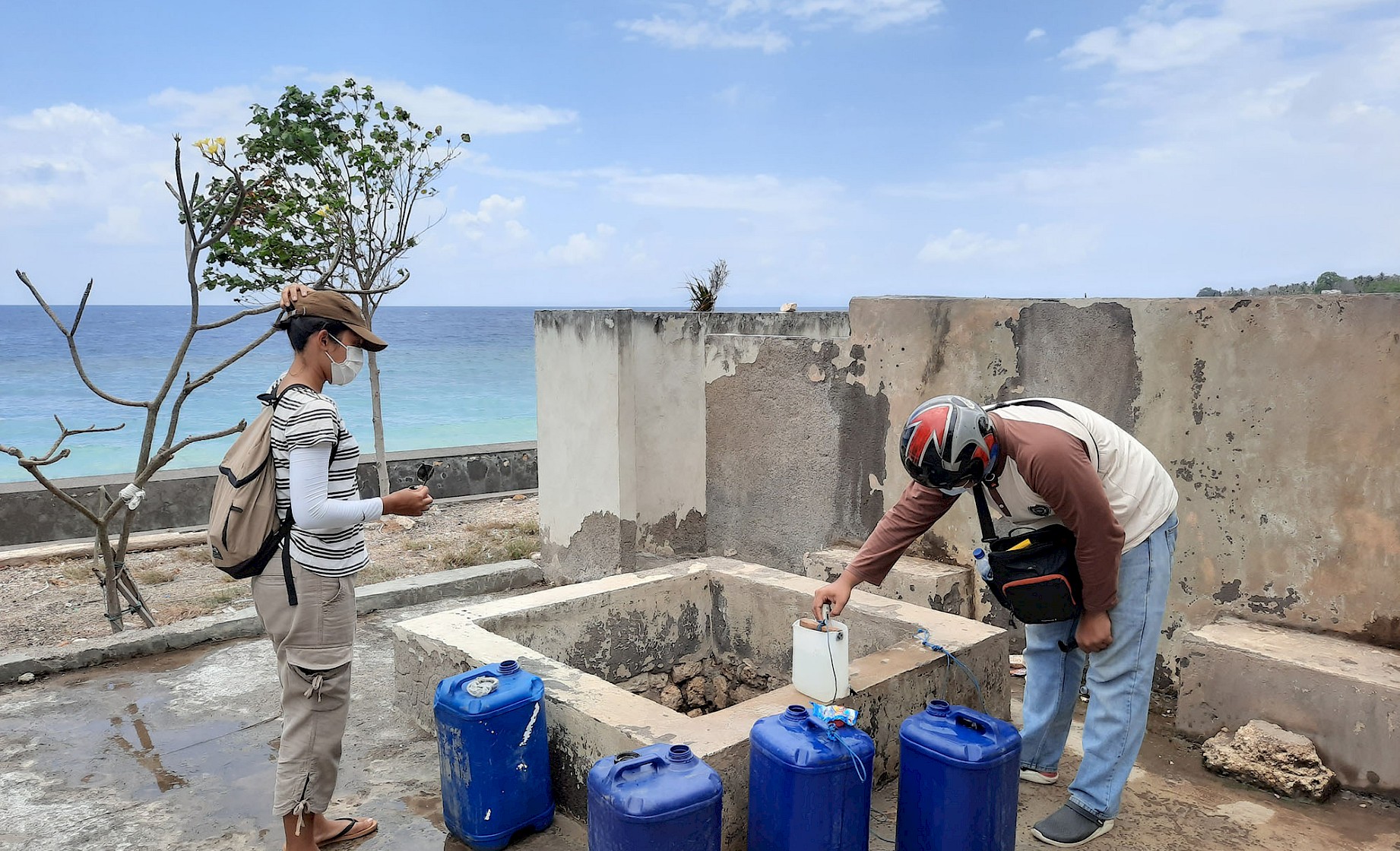
バリ島南東部にあるペニダ島にて、太陽光で発電し海水を淡水化する装置を導入して、島に住む人たちへ手ごろな価格の水が手に入れられるように支援を行っています。
Project type
- アンメット・ニーズ(未開拓の課題)を特定する
- 6. Clean Water & Sanitation
Partners


The problem
水は人間の生活に必要不可欠なものです。インドネシアの法律でも、すべての国民に安全で手ごろな価格の水を十分に使用できるような権利を保証しています。
一方で多くの、インドネシアの人は清潔な水を確保できないという状況です。特にバリ島では、急速な観光産業の成長により、多くのホテルが建設され、水不足が加速し、多くの人が清潔な水を確保することがますます困難になっています。
バリ島の南東海岸沖に位置する、ペニダ島は、バリ州の中でももっと感想している地域の一つです。(気象気候地球物理庁 2019年)一部の地域では水道水が引かれておりますが、使用できる範囲が限られており、特に乾季では水不足に悩まされています。
島に住んでいる人は、水を確保するために、雨水を集めますが、この地域では、降雨自体も少ないために、雨水の取水で需要を満たすことはできません。そこで、清潔な水を確保するために現在の手法とは異なった水の確保が急務になっています。
The solution
清潔な水を確保する方法として、海水から塩分を除去して水を得る方法が挙げられます。技術革新により、より手ごろな価格で淡水化を行う設備も設置できるために、私たちは、有望な解決策と考えました。
本プロジェクト(Waste for Water)では、まず、太陽光で発電した電力を使った淡水化装置の設置を行い、現地住民へ手ごろで、清潔な水を提供します。使用する淡水化装置の仕組みは逆浸透膜を使って、海水を飲み水に変換します。また加えて、ペットボトル、段ボールや紙などの資源ごみと水を交換できるような体制を構築します。(現金でも購入することができます)
コペルニクは、現地のごみ銀行と協働して、この仕組みを運用し特に、現地で水不足の被害を一番に受けている女性グループをプロジェクトに取り込みます。加えて、その島の地方政府企業(BUMD)とも協働して施設の維持管理のための研修実施を行います。地域に根付いている企業との協働により、プロジェクト終了後の持続可能性を担保します。
The expected impact
本プロジェクトでは、新しい水確保の方法を支援することにより、ペニダ島の水不足の解消を目指します。島で水を確保できる体制を構築することで、バリ島から水を輸送する必要がなくなり、手ごろな価格で提供できると考えています。
プロジェクトでは、500世帯が毎日必要な水を提供する計画になっています。また本事情の成果や結果を共有して、他の水不足で悩ませれている、島に本モデルが展開されていけるようなフレームワークも同時に作成します。
The project results
Based on the lab results, we found that the water from the desalination technology reached the TDS level of 138.6 mg/ L, meeting the government’s standard of TDS maximum level of 500 mg/L. The technology has fully removed the brackish taste of the water. l. The water hardness level was significantly reduced from 1,824 mg/L to 1.92 mg/L, meeting the government’s standard of 500 mg/L. The chloride level was also lowered from 5,4449.15 mg/L to 80.06 mg/L, within the government's standard of 250 mg/L. Meanwhile, the pH level was reduced to 5.8, - which is below the standard pH level range of 6.5-8.5. Wujudkan! Indonesia, our technology provider, explained that this may be caused by substances left from the adhesive material on the piping system. The pH level is expected to rise gradually as the intensity of machine operation increases in which case it will be within the accepted range. A follow-up test after eight months of the operation of the system found that the thepH level had risen to 6.45, much closer to the required standard.
The performance of the desalination technology using the 4-step filtration system was able to turn brackish well water into clean drinking water that met most of the key government standards except for pH level.
The upfront investment to build a water desalination facility costs US 11,853 or IDR 170 million with a production capacity of 1,800 litres per day. The technology is able to fulfil the daily water needs of 60 households (based on the standard quantity recommended by WHO of 7.5 litres drinking water per capita per day). The water desalination technology and the technicians required to install it were sourced from outside Bali, increasing the cost of installation.
For more information on results and findings of this project, visit our Solutions Catalog.
The broader impact
In this experiment, we found that the treatment of water desalination technology using sediment filtration, softener, reverse osmosis, and UV steriliser was capable of converting brackish well water into clean drinking water that can be an alternative source of drinking water for the local community in Suana village, Nusa Penida.
Show project location
Project cost
| Type | Description | Amount |
|---|---|---|
| 導入整備及び、プロジェクト実施 | 淡水化装置の設置及びテスト、プロジェクト運営にかかる費用 | $23,420 |
| モニタリング | データ収集、分析に係る費用 | $7,773 |
| 管理費 | コペルニクの運営費用 | $1,447 |
| Total | $32,640 |
01 / 01