

Natural Rat Repellent
Crop loss caused by rodent infestation in rice fields
Summary
We tested the effectiveness of a natural rat repellent in rice fields in West Kalimantan to reduce crop losses due to rat infestation.
Why we rated it this way
The effectiveness of this solution is inconclusive as our study was compromised at the final stage of the experiment. However, the natural rat repellent was effective in reducing rat infestation in rice fields at the initial growth stages.
The problem
What we found
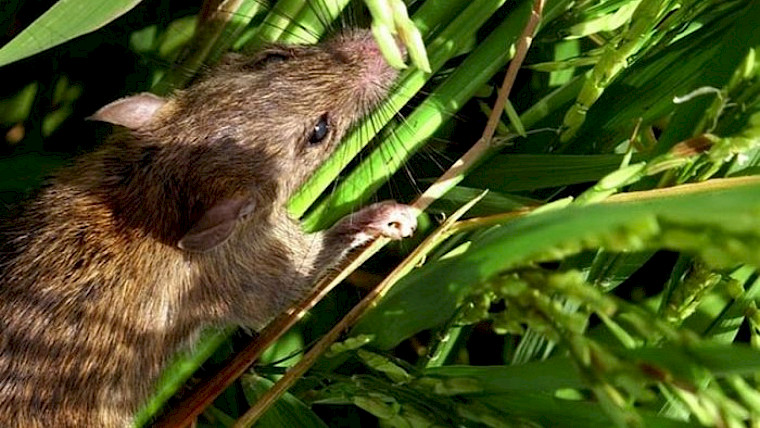
Rats have been identified as the most persistent pest for rice crops in Indonesia, causing estimated pre-harvest losses of up to 8.4 million tonnes per year (17% of total rice production), which could potentially feed 33 million people. To reduce crop losses, farmers usually use chemical rodenticide to kill rats. Although commonly used, chemical rodenticide is seen as unsatisfactory as rats may develop resistance to these products. Therefore, there is a need for alternative methods to prevent rats from damaging rice.
The solution
What we tested
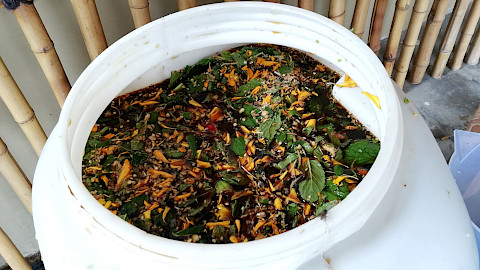
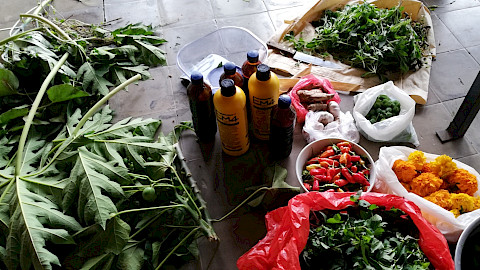
We tested a homemade natural rat repellent, made in collaboration with an international agricultural consulting firm, Forgotten Flavours, as an alternative to protect rice plants from rats. We tested the effectiveness of the natural rat repellent against a common chemical rodenticide by measuring stem damage.
Project design
How we ran it
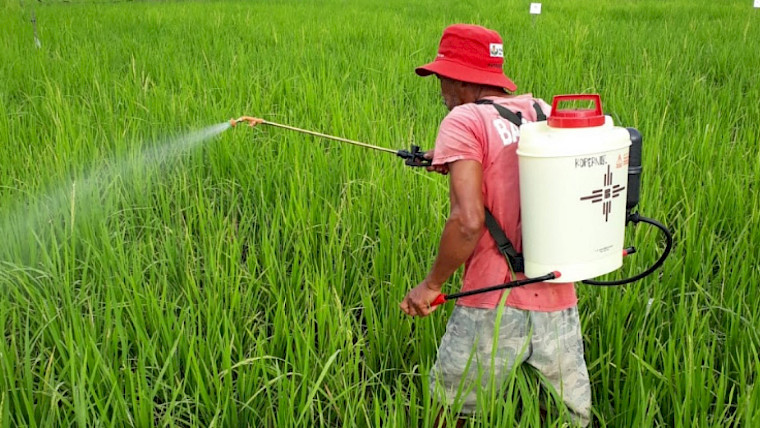
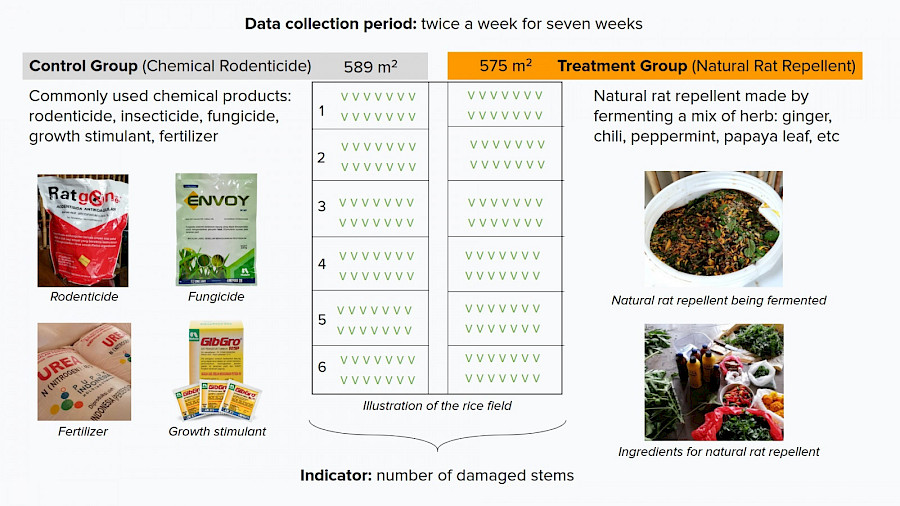
The experiment took place between April and June 2019. We tested the solution on a rice field of approximately 1,160 m2, which was divided into two plots of almost equal size (580 m2) for the control and treatment groups.
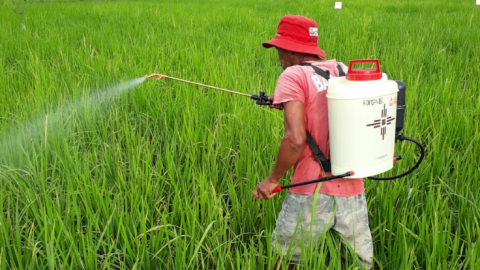
From May to June 2019, for seven weeks, the control group received chemical rodenticide and other chemical products (insecticide, fertilizer, fungicide) in line with the existing practice, whereas the treatment group received natural rat repellent made from chili, garlic, castor seed, and other natural ingredients.
Chemical treatments were applied in the control group following farmer’s normal practice whereas the treatment group received an application of the natural repellent twice a week.
The rice farmer collected data on stem damage from both the control and treatment groups twice a week.
The technology
Results
What we learned
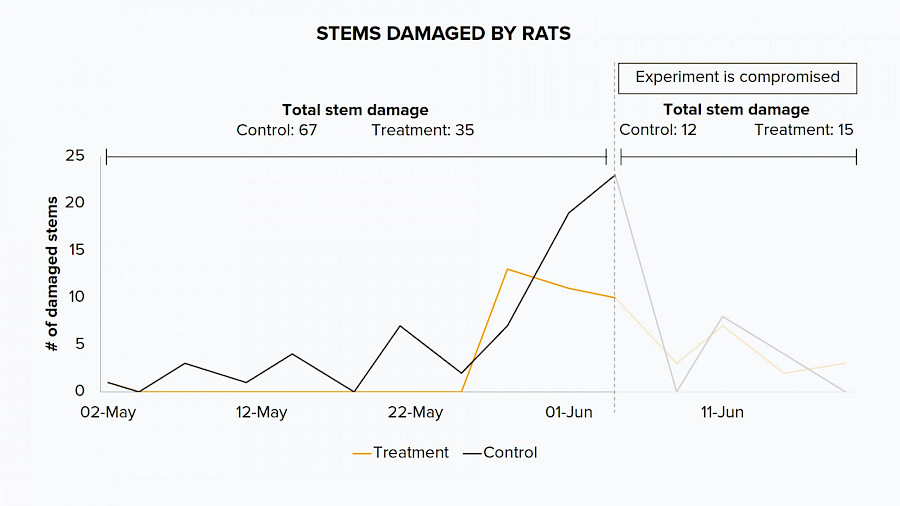
The natural rat repellent was effective in reducing rat infestation, with less stems damaged in the treatment group (35 damaged) than the control group (67 damaged) during the initial growth stages (panicile to flowering).
However, during the final growth stage (full maturity), our study was compromised when the farmer applied chemical rodenticide to the treatment group (which was supposed to only be treated with natural repellent). Therefore, we do not know the effectiveness of the natural repellent throughout the whole plant growth stages.
Conclusion
The experiment showed that the natural rat repellent was effective in reducing rat infestation in rice plants during the initial stages of rice growth. However, as our study was compromised at the final growth stage, the overall experiment results are deemed inconclusive. Therefore, Kopernik will conduct a follow up experiment as well as developing a more extensive natural treatment formula that repels not only rats but also other pests.
Read more
Reports and references
Putri, Tungga and Kirana Nadhila. (2020). Improving Pest Control: Rats in the Rice Fields Project Report.